
-
Advancements and Ethics in Organ Transplantation: Saving Lives, Challenging Moral Boundaries
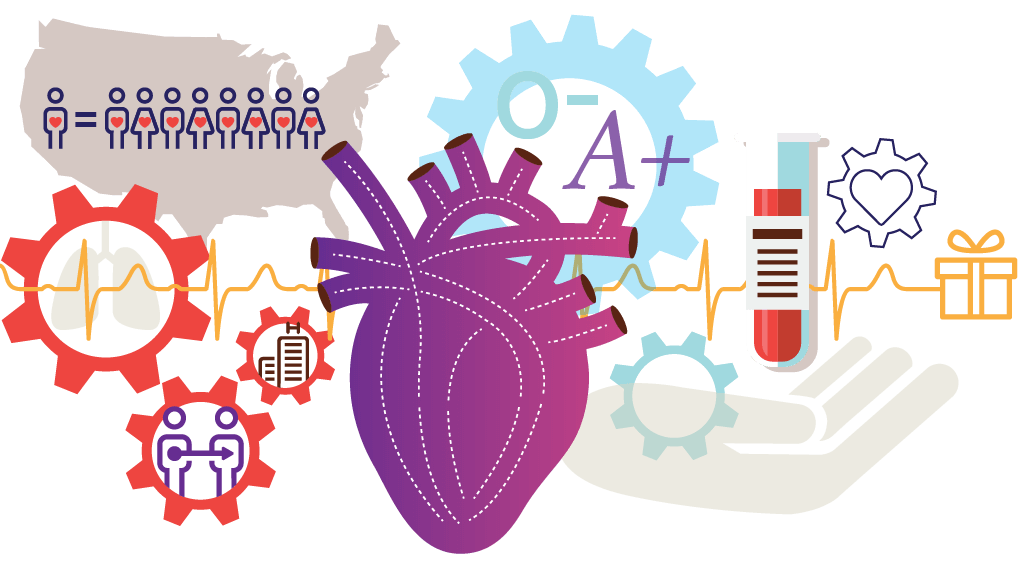
Organ transplantation stands as a beacon of hope for individuals suffering from organ failure, offering a chance at renewed life. From kidneys to hearts, lungs to livers, these procedures have revolutionized modern medicine, extending and improving the quality of life for countless patients worldwide. However, behind the medical marvels lie complex ethical dilemmas, societal challenges, and ongoing debates that shape the landscape of organ transplantation.
Medical Breakthroughs:
The history of organ transplantation is a testament to human ingenuity and perseverance. The first successful kidney transplant took place in 1954, followed by the first heart transplant in 1967. Since then, advancements in surgical techniques, immunosuppressive therapies, and organ preservation methods have transformed transplantation into a routine procedure, with survival rates steadily improving.Living vs. Deceased Donors:
Organ procurement primarily relies on two sources: living and deceased donors. Living donation, often from relatives or close acquaintances, offers the advantage of timely organ availability and better outcomes in certain cases. However, it raises ethical concerns regarding coercion, exploitation, and the long-term health impact on donors. Deceased donation, on the other hand, presents logistical challenges related to organ preservation and allocation but avoids some of the ethical complexities associated with living donation.Organ Shortage and Allocation:
Despite medical advancements, the demand for organs far surpasses the available supply, leading to extensive waiting lists and preventable deaths. The scarcity of organs prompts difficult decisions regarding allocation criteria, balancing factors such as medical urgency, recipient suitability, and equity. Various allocation systems, including organ matching algorithms and prioritization based on severity of illness, attempt to navigate these ethical dilemmas while maximizing utility and fairness.Ethical Considerations:
Organ transplantation raises profound ethical questions that extend beyond medical practice. Issues such as informed consent, autonomy, distributive justice, and the commodification of human body parts underscore the moral complexities inherent in transplant procedures. Additionally, cultural and religious beliefs shape attitudes towards organ donation, influencing individual decisions and public policies.Regulatory Framework and Future Directions:
Governments, healthcare institutions, and international organizations play crucial roles in regulating organ transplantation practices, ensuring adherence to ethical standards and safeguarding the rights of donors and recipients. Continued research into alternative sources of organs, such as xenotransplantation and bioengineered tissues, holds promise for addressing the persistent shortage of donor organs and reducing reliance on human donors.Organ transplantation represents a triumph of medical science and human compassion, offering a lifeline to those in dire need. However, its success is tempered by ethical considerations that challenge our societal values and moral principles. As technology advances and societal attitudes evolve, the field of organ transplantation will continue to navigate the delicate balance between medical necessity and ethical responsibility, striving to save lives while upholding the dignity and autonomy of every individual involved.
-
Love Your Liver: A Guide to Optimal Liver Health
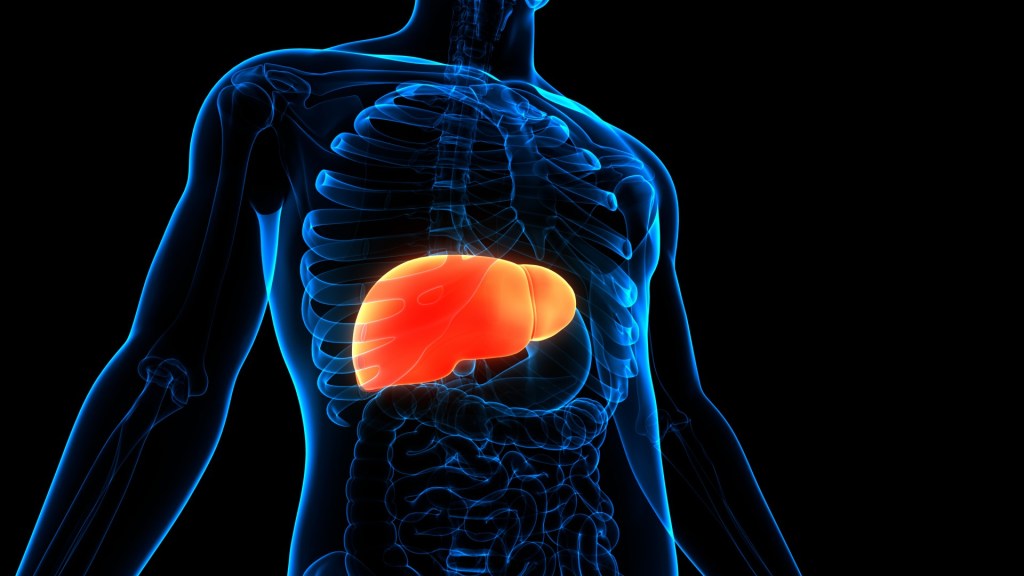
Your liver is a powerhouse organ, playing a pivotal role in keeping your body healthy and functioning smoothly. It performs over 500 essential tasks, including detoxifying harmful substances, producing bile for digestion, storing vitamins and minerals, and regulating metabolism. Given its crucial functions, taking care of your liver is vital. Here’s a comprehensive guide to loving your liver and ensuring it stays in peak condition.
1. Understand the Importance of the Liver
The liver is involved in numerous bodily processes:
- Detoxification: Filters toxins from the blood.
- Metabolism: Converts nutrients from the food you eat into essential blood components.
- Storage: Stores vitamins, minerals, and glycogen for energy.
- Production: Produces bile, cholesterol, and proteins that play roles in blood clotting and other functions.
2. Healthy Diet Choices
A balanced diet is fundamental to liver health:
- Fruits and Vegetables: Rich in antioxidants that help protect the liver from damage.
- Whole Grains: Provide fiber, aiding digestion and reducing the burden on the liver.
- Lean Proteins: Sources like fish, poultry, and legumes support liver function without the added fat found in red meats.
- Healthy Fats: Avocados, nuts, and seeds contain healthy fats that support liver health.
3. Stay Hydrated
Drinking plenty of water helps the liver to filter out toxins efficiently. Aim for at least eight glasses of water a day.
4. Limit Alcohol Intake
Excessive alcohol consumption is a leading cause of liver disease. Stick to moderate drinking guidelines:
- Men: Up to two drinks per day.
- Women: Up to one drink per day.
5. Exercise Regularly
Regular physical activity helps maintain a healthy weight, reducing the risk of fatty liver disease. Aim for at least 150 minutes of moderate aerobic exercise or 75 minutes of vigorous exercise per week.
6. Avoid Toxins
Minimize exposure to environmental toxins that can harm your liver:
- Household Chemicals: Use natural cleaning products.
- Personal Care Products: Choose products with fewer synthetic ingredients.
- Pesticides: Opt for organic produce when possible.
7. Be Cautious with Medications
Some medications can be hard on the liver. Always follow dosage instructions and consult with a healthcare provider about the potential liver impact of over-the-counter and prescription drugs.
8. Regular Health Check-ups
Routine check-ups can help monitor liver health and catch any issues early. Blood tests can assess liver function and detect conditions like hepatitis.
9. Vaccinations
Vaccinations for hepatitis A and B can prevent these viral infections, which can cause serious liver damage.
10. Manage Chronic Conditions
Conditions such as diabetes and high cholesterol can affect liver health. Proper management of these conditions is crucial in protecting your liver.
Recognize the Signs of Liver Problems
Early detection of liver issues can prevent severe damage. Watch for symptoms like:
- Jaundice (yellowing of the skin and eyes)
- Chronic fatigue
- Abdominal pain and swelling
- Dark urine or pale stool
- Nausea or vomiting
If you experience any of these symptoms, seek medical attention promptly.
Finding the Right Treatment Approach
Couldn’t decide about the right treatment for you? Allopathy, Homeopathy, Ayurveda, Unani – many treatment types, but which one for you?
Consult with RxOne-Care Advisor today to find which treatment suits your condition.
Loving your liver means embracing a lifestyle that supports its health and functionality. By making mindful dietary choices, staying hydrated, limiting alcohol, exercising, avoiding toxins, being cautious with medications, getting regular check-ups, ensuring vaccinations, and managing chronic conditions, you can keep your liver in top shape. Remember, a healthy liver is essential for a healthy life. Show your liver some love and it will love you back with better health and vitality.
-
Sexual Health: A Comprehensive Guide

Sexual health is a vital component of overall well-being, encompassing physical, emotional, mental, and social aspects of sexuality. It is about more than the absence of disease or dysfunction; it involves having positive and respectful relationships, a healthy body, and access to information and care. This guide explores various facets of sexual health, aiming to provide a holistic understanding of this crucial aspect of human life.
Understanding Sexual Health
- Physical Health
Physical health is fundamental to sexual health. This includes the proper functioning of reproductive organs, the absence of sexually transmitted infections (STIs), and access to contraception and safe sex practices. Regular health check-ups, vaccinations (such as the HPV vaccine), and awareness of body changes are crucial steps in maintaining sexual health.
- Emotional and Mental Health
Sexual health is deeply intertwined with emotional and mental well-being. Issues like stress, anxiety, depression, and past trauma can significantly impact one’s sexual experiences and relationships. It’s essential to recognize and address these issues, seeking professional help if needed. Open communication with partners about boundaries, consent, and desires also plays a crucial role.
- Relationships and Consent
Healthy relationships are built on mutual respect, trust, and consent. Consent is a clear, enthusiastic, and ongoing agreement to engage in sexual activity. It must be given freely without any form of coercion. Understanding and respecting boundaries are fundamental in fostering healthy sexual relationships.
- Education and Awareness
Comprehensive sex education is key to informed decision-making. This includes understanding anatomy, contraception, STIs, consent, and healthy relationship dynamics. Education should be accessible to all individuals, irrespective of age, gender, or sexual orientation.
Key Components of Sexual Health
- Contraception and Family Planning
Access to a variety of contraceptive methods allows individuals to make informed choices about if and when they want to have children. Methods include condoms, birth control pills, intrauterine devices (IUDs), and emergency contraception. Family planning services provide resources and support for individuals and couples to plan their families according to their needs and circumstances.
- Prevention and Treatment of STIs
STIs are a significant concern in sexual health. Regular testing, vaccination, and the use of protection during sexual activity are critical preventive measures. If diagnosed with an STI, timely and appropriate treatment is essential to prevent complications and transmission to others.
- Sexual Dysfunction
Sexual dysfunction, which can affect desire, arousal, or orgasm, is common and can occur in any gender. Causes can be physical, psychological, or a combination of both. Treatment often involves a multidisciplinary approach, including medical intervention, therapy, and lifestyle changes.
- Sexual Orientation and Gender Identity
Understanding and accepting one’s sexual orientation and gender identity is crucial for sexual health. Supportive environments and the elimination of stigma and discrimination are essential for the well-being of LGBTQ+ individuals. Access to gender-affirming care and services is also a key component of sexual health.
Promoting Sexual Health
- Open Communication
Open and honest communication about sexual health with partners, healthcare providers, and educators is vital. It helps in making informed decisions, addressing concerns, and fostering healthy relationships.
- Access to Healthcare
Ensuring access to healthcare services, including regular screenings, vaccinations, and counseling, is crucial. Health systems should be equipped to provide non-judgmental and inclusive care to all individuals.
- Advocacy and Policy
Advocacy for policies that protect and promote sexual health is essential. This includes comprehensive sex education, access to contraception, STI prevention programs, and protections against discrimination.
- Community Support
Building supportive communities that respect and promote sexual health is vital. This includes fostering environments where individuals feel safe to express their sexuality and seek help when needed.
Finding the Right Treatment
Couldn’t decide about the right treatment for you? Allopathy, Homeopathy, Ayurveda, Unani – many treatment types, but which one for you? Consult with an RxOne-Care Advisor today to find which treatment suits your condition.
Sexual health is a multidimensional aspect of life that impacts overall health and well-being. It requires a comprehensive approach, encompassing physical health, emotional and mental well-being, healthy relationships, and access to information and services. By promoting open communication, ensuring access to healthcare, advocating for supportive policies, and building inclusive communities, we can foster a world where everyone can achieve optimal sexual health. If you’re uncertain about the right treatment path, consult with an RxOne Care Advisor to find the approach that best suits your needs.blog, Comprehensive sex education, Contraception, Emotional well-being, health, mental health, Physical health, relationships, RxOne Care Advisor, Safe sex practices, sex, Sex education programs, sex-education, Sexual dysfunction, Sexual health, Sexual health resources, Sexual orientation, Sexual trauma recovery, Sexual well-being, Sexually transmitted infections (STIs), Treatment consultation -
Keep Your Joints Healthy: A Comprehensive Guide
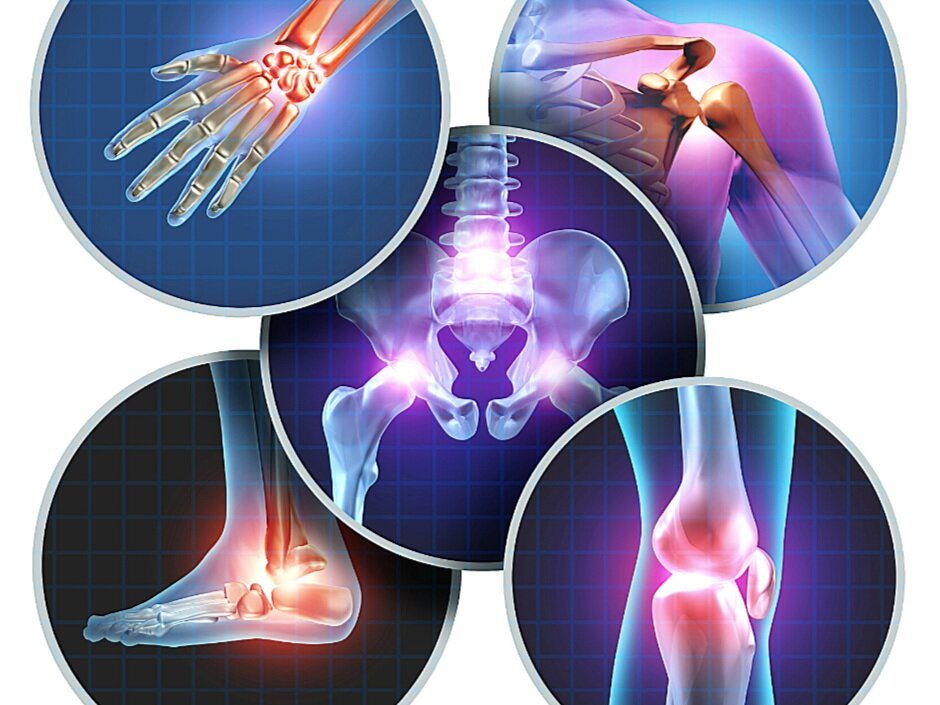
Maintaining joint health is crucial for mobility, flexibility, and overall quality of life. Joints connect bones and allow for smooth, pain-free movement, playing a vital role in every physical activity from walking and running to typing and lifting. Here are some essential tips to keep your joints healthy and functional for years to come.
- Stay Active
Regular physical activity is key to joint health. Engaging in exercises like walking, swimming, cycling, and yoga helps to strengthen the muscles around the joints, providing better support and reducing stress on the joints. Aim for at least 150 minutes of moderate-intensity aerobic exercise or 75 minutes of vigorous-intensity exercise each week, combined with muscle-strengthening activities on two or more days a week. - Maintain a Healthy Weight
Excess body weight puts additional stress on weight-bearing joints, particularly the knees, hips, and lower back. Losing even a small amount of weight can significantly reduce joint pain and prevent further damage. Focus on a balanced diet rich in fruits, vegetables, lean proteins, and whole grains to support weight management and joint health. - Eat a Joint-Friendly Diet
Certain nutrients are particularly beneficial for joint health:
Omega-3 Fatty Acids: Found in fish like salmon and mackerel, as well as in flaxseeds and walnuts, omega-3 fatty acids help reduce inflammation and joint pain.
Vitamin D and Calcium: These are essential for bone health, which indirectly supports joint health. Dairy products, leafy greens, and fortified foods are good sources.
Antioxidants: Vitamins C and E found in fruits and vegetables can help protect joints from damage caused by free radicals.- Stay Hydrated
Water is crucial for maintaining the lubrication of the joints. Synovial fluid, which helps reduce friction between joint surfaces, relies on proper hydration. Aim to drink at least 8 glasses of water a day, and more if you are physically active. - Practice Good Posture
Poor posture can lead to joint strain and injury over time. Be mindful of your posture whether you’re sitting, standing, or moving. Use ergonomic furniture and tools, especially if you spend a lot of time at a desk. Exercises that strengthen your core can also support better posture. - Avoid Overuse
Repetitive movements and overuse of certain joints can lead to injuries such as tendinitis or bursitis. If your job or hobby involves repetitive actions, take regular breaks and incorporate exercises that can help offset the repetitive strain. - Protect Your Joints
Using protective gear during sports and other physical activities can help prevent joint injuries. Ensure that your sports equipment and footwear are appropriate and well-fitted to avoid undue stress on your joints. - Listen to Your Body
Pain is a signal that something might be wrong. If you experience joint pain, don’t ignore it. Rest the affected joint and consider consulting a healthcare professional if the pain persists. Early intervention can prevent more serious issues down the line. - Manage Stress
Stress can cause muscle tension and pain, which may indirectly affect your joints. Practice stress-reducing techniques such as mindfulness, deep breathing exercises, and meditation to keep both your mind and body in good condition. - Regular Check-Ups
Regular check-ups with a healthcare provider can help detect early signs of joint problems. If you have a family history of joint issues or suffer from conditions like arthritis, more frequent visits may be necessary.
Choosing the Right Treatment for Joint Health
Couldn’t decide about the right treatment for you? Allopathy, Homeopathy, Ayurveda, Unani – many treatment types, but which one for you? Consult with RxOne-Care Advisor today to find which treatment suits your condition. Our expert advisors will help you navigate through different treatment options and select the most appropriate one for your specific needs.
Taking proactive steps to maintain joint health can lead to a more active and pain-free life. Incorporate these tips into your daily routine to protect your joints and enjoy better mobility and quality of life. Remember, it’s never too early or too late to start taking care of your joints! And if you’re unsure about the best treatment approach, consult with RxOne Care Advisor to find the right path for you.arthritis, Arthritis prevention, Calcium and Vitamin D for bones, Choosing joint treatment, Ergonomic support for joints, exercise, Exercise for joints, fitness, health, Healthy joints, Hydration for joint health, Joint health, Joint pain prevention, Joint pain relief, Joint support exercises, Joint-friendly diet, Omega-3 fatty acids for joints, osteoarthritis, Posture and joint health, RxOne Care Advisor, Weight management for joint health - Stay Active
-
Boost Your Brainpower: Strategies for a Sharper Mind

In a fast-paced world where mental agility is prized, finding ways to boost your brainpower is essential. Enhancing cognitive function can lead to improved memory, better problem-solving skills, and increased creativity. Whether you’re a student, a professional, or someone looking to stay mentally sharp as you age, here are some effective strategies to boost your brainpower.
- Healthy Diet for a Healthy Mind
Your brain needs the right fuel to perform at its best. Incorporate brain-boosting foods into your diet, such as:
Fatty Fish: Rich in omega-3 fatty acids, which are crucial for brain health.
Blueberries: Packed with antioxidants that protect the brain from oxidative stress.
Nuts and Seeds: Great sources of vitamin E, which is linked to reduced cognitive decline.
Whole Grains: Provide steady energy for the brain, improving focus and concentration.
Leafy Greens: Contain essential nutrients like vitamin K, lutein, folate, and beta carotene.- Stay Physically Active
Exercise is not just good for your body; it’s also beneficial for your brain. Regular physical activity increases blood flow to the brain, promoting the growth of new brain cells and improving overall brain function. Activities like walking, swimming, and even yoga can enhance cognitive abilities and protect against age-related decline. - Mental Stimulation
Keeping your brain engaged and challenged is crucial for maintaining mental sharpness. Engage in activities that require you to think critically and solve problems. Consider:
Puzzles and Games: Crossword puzzles, Sudoku, and chess can improve cognitive function.
Learning New Skills: Take up a new hobby, learn a language, or play a musical instrument to stimulate different parts of your brain.
Reading and Writing: Regularly reading books, articles, and writing can enhance your comprehension and communication skills.- Quality Sleep
Sleep is essential for brain health. During sleep, your brain consolidates memories and clears out toxins that accumulate during the day. Aim for 7-9 hours of quality sleep per night. Establish a regular sleep routine, create a restful environment, and avoid screens before bedtime to improve sleep quality. - Stress Management
Chronic stress can take a toll on your brain, leading to memory problems and other cognitive issues. Practice stress management techniques such as:
Meditation: Helps reduce stress and improve focus and clarity.
Mindfulness: Being present in the moment can enhance your mental well-being.
Deep Breathing Exercises: Simple yet effective in lowering stress levels.- Social Interaction
Staying socially active is important for brain health. Engaging in meaningful conversations and maintaining strong social connections can help protect against cognitive decline. Join clubs, participate in community activities, or simply spend time with family and friends. - Regular Health Check-ups
Certain health conditions, such as high blood pressure, diabetes, and high cholesterol, can negatively affect brain function. Regular health check-ups can help you manage these conditions and maintain your cognitive health. Discuss any concerns with your healthcare provider and follow their advice for a brain-healthy lifestyle. - Stay Hydrated
Dehydration can impair your concentration and short-term memory. Ensure you’re drinking enough water throughout the day to keep your brain functioning optimally.
Couldn’t Decide About the Right Treatment for You?
Allopathy, Homeopathy, Ayurveda, Unani – many treatment types, but which one for you?Consult with RxOne-Care Advisor today to find which treatment suits your condition.
Boosting your brainpower is a multifaceted approach that involves a healthy diet, regular physical activity, mental stimulation, quality sleep, effective stress management, social interaction, regular health check-ups, and staying hydrated. By incorporating these strategies into your daily routine, you can enhance your cognitive abilities, improve your memory, and keep your mind sharp at any age. Start making these changes today, and experience the benefits of a more powerful, agile brain. If you’re unsure about which treatment approach is best for your specific needs, remember to consult with an RxOne Care Advisor to find the most suitable option for you.Allopathy, Brain health strategies, Brain-boosting foods, brain-health, Brainpower, Cognitive function, daily health updates, Exercise benefits, fitness, health, Health check-ups, healthtrends, Homeopathy, hydration, Learning new skills, Memory improvement, Mental agility, Mental stimulation, mental-health, Puzzles and games, Quality sleep, RxOne Care Advisor, Treatment options, trending health updates, wellness - Healthy Diet for a Healthy Mind
-
Natural Detox Tips

In today’s fast-paced world, our bodies are constantly bombarded with toxins from the environment, food, and even stress. While our bodies are designed to handle and eliminate these toxins, sometimes they need a little help. Here are some natural detox tips to help cleanse your body, boost your energy, and improve your overall well-being.
- Stay Hydrated
Water is essential for flushing toxins out of your system. Aim to drink at least 8-10 glasses of water a day. Adding a slice of lemon to your water can enhance its detoxifying properties, as lemon stimulates the liver, which is the body’s primary detox organ. - Eat Clean
Focus on consuming whole, organic foods. Avoid processed foods, refined sugars, and artificial additives. Incorporate plenty of fresh fruits and vegetables, which are rich in antioxidants, vitamins, and minerals that support the body’s detox processes. - Exercise Regularly
Physical activity helps stimulate the lymphatic system, which is responsible for removing waste from the body. Aim for at least 30 minutes of exercise most days of the week. Activities like yoga, walking, and swimming are excellent choices. - Get Enough Sleep
Adequate sleep is crucial for the body’s natural detoxification process. Aim for 7-9 hours of quality sleep each night. During sleep, the brain clears out toxins that accumulate throughout the day. - Practice Deep Breathing
Deep breathing exercises can help increase oxygen flow and stimulate the lymphatic system. Try practicing deep breathing exercises for a few minutes each day to help your body eliminate toxins more effectively. - Drink Herbal Teas
Herbal teas such as dandelion root, burdock root, and milk thistle support liver function and help in detoxification. Green tea is also beneficial due to its high antioxidant content. - Incorporate Detoxifying Foods
Certain foods are known for their detoxifying properties. Include foods like garlic, turmeric, ginger, and leafy greens in your diet. These foods can help boost liver function and enhance the body’s natural detoxification processes. - Reduce Stress
Chronic stress can hinder the body’s ability to detoxify. Engage in stress-reducing activities such as meditation, yoga, or spending time in nature. These activities can help lower cortisol levels and support the body’s detox efforts. - Sweat it Out
Sweating helps release toxins through the skin. Saunas, steam baths, or a good workout can promote sweating and aid in detoxification. Just be sure to replenish lost fluids by drinking plenty of water. - Avoid Toxins
Limit your exposure to environmental toxins by choosing natural cleaning products, avoiding plastic containers, and minimizing the use of pesticides and herbicides. Additionally, be mindful of the personal care products you use, opting for those free of harmful chemicals. - Take Probiotics
Probiotics help maintain a healthy gut, which is crucial for effective detoxification. Include probiotic-rich foods like yogurt, kefir, sauerkraut, and kimchi in your diet, or consider taking a high-quality probiotic supplement. - Dry Brushing
Dry brushing your skin helps stimulate the lymphatic system and exfoliates dead skin cells, allowing for better toxin elimination through the skin. Use a natural bristle brush and brush your skin in circular motions towards your heart.
Detoxifying your body doesn’t require expensive supplements or extreme diets. By incorporating these natural detox tips into your daily routine, you can support your body’s natural detoxification processes and improve your overall health and well-being. Remember, the key is consistency and making small, sustainable changes that you can maintain over time.Can’t Decide on the Right Treatment?
Allopathy, Homeopathy, Ayurveda, Unani – many treatment types, but which one is right for you? Consult with an RxOne-Care Advisor today to find out which treatment suits your condition. Whether you’re looking for natural ways to support your detox journey or need guidance on more comprehensive healthcare options, RxOne-Care Advisors are here to help you make informed decisions for your health and well-being.Allopathy, Ayurveda, Clean eating, detox, Detoxification, Drink water, Exfoliate skin, fitness, Garlic, ginger, health, healthtips, healthtrends, leafy greens, Natural cleaning products, Natural detox, nutrition, Organic foods, Processed foods, Reduce stress, RxOne Care Advisor, Stay hydrated, turmeric, Unani, wellness - Stay Hydrated
-
The Power of Antioxidants: Unleashing Nature Protective Agents
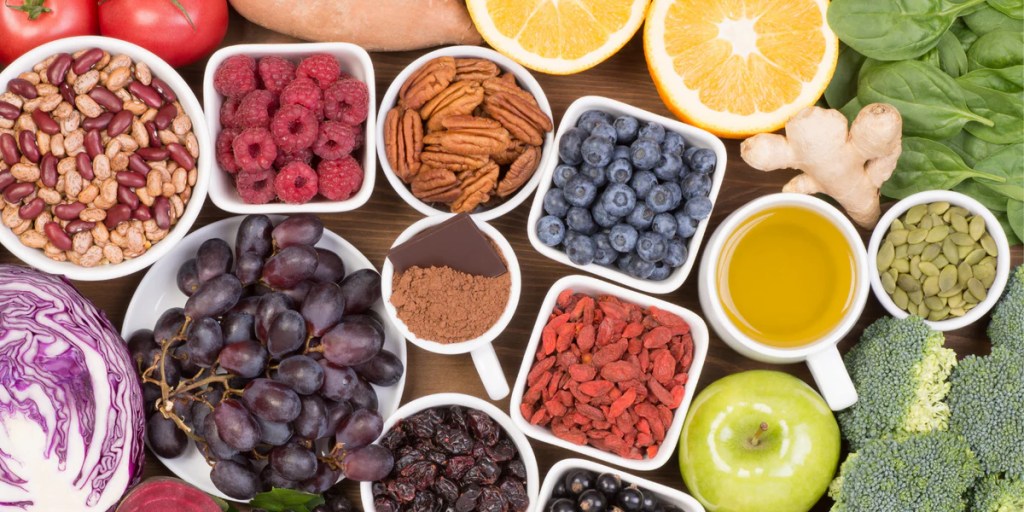
Antioxidants are nature’s powerful agents, crucial for maintaining health and preventing disease. They protect our cells from damage caused by free radicals—unstable molecules that can harm cellular structures. Free radicals are produced naturally in the body as a byproduct of metabolism but can be exacerbated by external factors like pollution, radiation, and smoking. Understanding the power of antioxidants and incorporating them into our lifestyle can significantly enhance our overall well-being.
The Science Behind Antioxidants
At a molecular level, antioxidants neutralize free radicals by donating an electron, effectively reducing their reactivity. This process helps to prevent cellular damage that can lead to chronic diseases such as cancer, heart disease, and neurodegenerative disorders. Antioxidants achieve this by being oxidized themselves, thereby sparing other molecules from oxidative damage.Sources of Antioxidants
Antioxidants are abundant in a variety of foods, particularly fruits, vegetables, nuts, and seeds. Some of the most potent antioxidants include:Vitamin C: Found in citrus fruits, strawberries, bell peppers, and broccoli, vitamin C is a water-soluble antioxidant that helps protect the body from oxidative stress and supports the immune system.
Vitamin E: This fat-soluble antioxidant, present in nuts, seeds, and green leafy vegetables, protects cell membranes from oxidative damage.
Beta-Carotene: A precursor to vitamin A, beta-carotene is found in carrots, sweet potatoes, and spinach, and is crucial for maintaining healthy vision, skin, and immune function.
Flavonoids: These are found in a variety of foods such as berries, tea, dark chocolate, and red wine. Flavonoids have been shown to have anti-inflammatory and heart-protective properties.
Selenium: A mineral found in Brazil nuts, seafood, and whole grains, selenium plays a critical role in the antioxidant defense system by helping to regenerate other antioxidants.
Health Benefits of Antioxidants
Prevention of Chronic Diseases: By neutralizing free radicals, antioxidants reduce the risk of developing chronic diseases. Studies have shown that diets rich in antioxidants are linked to lower incidences of heart disease, cancer, and other age-related conditions.Boosting Immune Function: Antioxidants such as vitamin C and E enhance the immune system’s ability to fight infections and reduce inflammation.
Anti-Aging Effects: Antioxidants help to slow down the aging process by protecting cells from damage, promoting healthier skin, and reducing the appearance of wrinkles.
Improving Brain Health: Certain antioxidants, like flavonoids, have neuroprotective effects that can improve cognitive function and reduce the risk of neurodegenerative diseases such as Alzheimer’s and Parkinson’s.
Supporting Eye Health: Antioxidants like beta-carotene, vitamin C, and vitamin E are essential for maintaining eye health and preventing conditions such as cataracts and age-related macular degeneration.
Maximizing Antioxidant Intake
To maximize your intake of antioxidants, focus on a diet rich in colorful fruits and vegetables. Here are some practical tips:Eat a Rainbow: Incorporate a variety of colorful fruits and vegetables into your diet to ensure you get a wide range of antioxidants.
Snack on Nuts and Seeds: These are excellent sources of vitamin E and selenium.
Choose Whole Grains: Opt for whole grains like brown rice, quinoa, and oats over refined grains to increase your antioxidant intake.
Enjoy Beverages: Drink green tea, herbal teas, and moderate amounts of red wine, all of which are rich in flavonoids.
Use Spices and Herbs: Spices such as turmeric, cinnamon, and oregano are potent sources of antioxidants.
The power of antioxidants lies in their ability to protect the body from oxidative stress and reduce the risk of chronic diseases. By incorporating a variety of antioxidant-rich foods into your diet, you can harness these natural protectors to support overall health and well-being. Embrace the vibrant colors of fruits and vegetables, savor the richness of nuts and seeds, and enjoy the health benefits that antioxidants offer.Unsure About the Right Treatment for You?
Couldn’t decide about the right treatment for you? Allopathy, Homeopathy, Ayurveda, Unani – many treatment types, but which one is right for you? Consult with an RxOne-Care Advisor today to find which treatment suits your condition.Antioxidants, Cancer prevention, Cellular damage, Chronic diseases, Cognitive function, Colorful fruits and vegetables, food, Free radicals, health, healthy, Healthy skin, Heart disease, Immune function, Neurodegenerative disorders, nutrition, Oxidative stress, RxOne Care Advisor, rxonehealthcare, trending health updates, Vitamin C, Vitamin E -
Women Wellness: A Holistic Approach to Health and Well-being

Women wellness encompasses the physical, mental, and emotional well-being of women, recognizing that health is a multifaceted concept. A holistic approach to wellness takes into account the diverse roles women play in society, their unique biological needs, and the importance of mental and emotional health. By addressing all aspects of health, women can achieve a balanced and fulfilling life.
Physical Health
Nutrition and Diet:Balanced nutrition is crucial for women’s health. A diet rich in fruits, vegetables, whole grains, and lean proteins supports overall health.
Specific nutritional needs, such as increased iron during menstruation and calcium for bone health, should be considered.
Exercise and Fitness:Regular physical activity helps maintain a healthy weight, reduces the risk of chronic diseases, and improves mental health.
Incorporating strength training, cardiovascular exercises, and flexibility workouts can provide comprehensive fitness benefits.
Reproductive Health:Understanding and managing menstrual health, contraception, and fertility is essential for women’s wellness.
Regular gynecological check-ups and screenings for breast and cervical cancer are critical for early detection and prevention.
Mental and Emotional Health
Stress Management:Women often juggle multiple roles, leading to increased stress. Effective stress management techniques, such as mindfulness, meditation, and yoga, can help maintain mental balance.
Prioritizing self-care and setting healthy boundaries are essential strategies for reducing stress.
Mental Health Support:Seeking professional help for mental health issues like anxiety, depression, and postpartum depression is vital.
Building a support system of friends, family, and mental health professionals can provide emotional stability and resilience.
Work-Life Balance:Achieving a balance between professional responsibilities and personal life is crucial for mental well-being.
Employers and policymakers should support flexible work arrangements and family-friendly policies to help women manage their various roles effectively.
Preventive Health Care
Regular Screenings:Regular health screenings, such as mammograms, pap smears, and bone density tests, are essential for early detection of potential health issues.
Monitoring blood pressure, cholesterol levels, and blood sugar can prevent chronic conditions like hypertension and diabetes.
Vaccinations:Staying up-to-date with vaccinations, including the HPV vaccine, can prevent certain cancers and infections.
Annual flu shots and other recommended immunizations are important for maintaining overall health.
Health Education:Educating women about their health and wellness empowers them to make informed decisions.
Access to accurate health information and resources is fundamental for promoting long-term well-being.
Holistic Wellness Practices
Mind-Body Connection:Practices like yoga, tai chi, and qigong enhance the connection between mind and body, promoting relaxation and stress relief.
These practices also improve flexibility, strength, and balance, contributing to overall physical health.
Alternative Therapies:Incorporating alternative therapies such as acupuncture, herbal medicine, and aromatherapy can complement traditional medical treatments.
These therapies often provide relief from chronic pain, menstrual issues, and menopausal symptoms.
Community and Social Well-being:Building and maintaining strong social connections contribute to emotional and mental health.
Participation in community activities, support groups, and wellness programs fosters a sense of belonging and support.
Choosing the Right Treatment
Couldn’t decide about the right treatment for you? Allopathy, Homeopathy, Ayurveda, Unani – many treatment types, but which one for you? Consult with RxOne-Care Advisor today to find which treatment suits your condition. With expert guidance, you can explore various treatment options and determine the best approach for your specific health needs.
Women wellness is a comprehensive concept that requires attention to physical, mental, and emotional health. By adopting a holistic approach, women can achieve a balanced and fulfilling life. Prioritizing nutrition, exercise, preventive care, mental health, and holistic practices ensures that women can thrive in all aspects of their lives. Empowering women with the knowledge and resources to take charge of their health is essential for promoting long-term wellness and well-being.Chronic disease prevention, Emotional well-being, exercise, Gynecological check-ups, health, healthtrends, Holistic health, Mental health support, mental-health, Mind-body connection, nutrition, Reproductive health, RxOne Care Advisor, rxonehealthcare, trending health updates, wellness, Women wellness, Women’s health -
Psychological Stress and Mental Health

In the hustle and bustle of modern life, psychological stress has become a common experience for many individuals. It stems from various sources, including work pressures, family responsibilities, financial concerns, and personal relationships. While stress is a natural response to challenging situations, chronic and unmanaged stress can have profound impacts on mental health.
Understanding Psychological Stress
Psychological stress is the body’s reaction to perceived threats or challenges. When faced with a stressful situation, the brain triggers a cascade of hormonal responses, primarily the release of cortisol and adrenaline. These hormones prepare the body for a “fight or flight” response, characterized by increased heart rate, heightened alertness, and a surge of energy.Short-term stress can be beneficial, motivating individuals to overcome obstacles and achieve goals. However, when stress becomes chronic, it can lead to adverse physical and psychological outcomes. Chronic stress keeps the body in a constant state of alertness, which can deplete energy resources and impair the body’s ability to function optimally.
Effects of Stress on Mental Health
The relationship between psychological stress and mental health is complex and multifaceted. Chronic stress can contribute to the development of various mental health disorders, including anxiety, depression, and post-traumatic stress disorder (PTSD).Anxiety: Persistent stress can heighten feelings of worry and fear, leading to anxiety disorders. Individuals with anxiety may experience excessive nervousness, restlessness, and an inability to concentrate. Chronic stress can also trigger panic attacks, characterized by sudden, intense episodes of fear and physical symptoms like chest pain and shortness of breath.
Depression: Stress is a significant risk factor for depression. The constant pressure and overwhelming feelings associated with chronic stress can lead to feelings of hopelessness and sadness. Depression affects an individual’s mood, energy levels, and overall interest in life, making daily activities challenging to perform.
PTSD: Exposure to traumatic events can cause PTSD, a condition where individuals relive the traumatic experience through flashbacks, nightmares, and severe anxiety. Chronic stress from traumatic events disrupts normal life and can lead to long-term psychological distress.
Other Disorders: Chronic stress can exacerbate other mental health conditions such as bipolar disorder, obsessive-compulsive disorder (OCD), and schizophrenia. Stress can also contribute to substance abuse as individuals may turn to drugs or alcohol as coping mechanisms.
Coping with Stress to Protect Mental Health
Managing stress effectively is crucial for maintaining mental health. Here are several strategies to cope with stress:Mindfulness and Meditation: Practices such as mindfulness and meditation can help individuals stay present and reduce anxiety. These techniques promote relaxation and provide tools to manage stress more effectively.
Physical Activity: Regular exercise has been shown to reduce stress and improve mental health. Physical activity releases endorphins, which are natural mood lifters, and helps in reducing stress hormones like cortisol.
Healthy Lifestyle: Maintaining a balanced diet, getting adequate sleep, and avoiding excessive caffeine and alcohol can improve resilience to stress.
Social Support: Strong relationships with family, friends, and community can provide emotional support during stressful times. Talking about stressors with trusted individuals can reduce feelings of isolation and burden.
Professional Help: For severe stress and mental health issues, seeking help from mental health professionals such as psychologists, psychiatrists, or counselors is essential. Therapies like cognitive-behavioral therapy (CBT) can help individuals develop coping strategies and address negative thought patterns.
Time Management: Organizing and prioritizing tasks can reduce the pressure of overwhelming responsibilities. Effective time management allows individuals to allocate time for relaxation and self-care.
Finding the Right Treatment
Couldn’t decide about the right treatment for you? Allopathy, Homeopathy, Ayurveda, Unani – many treatment types, but which one for you? Consult with an RxOne-Care Advisor today to find which treatment suits your condition.
Psychological stress is an inevitable part of life, but its impact on mental health can be profound if not managed properly. Understanding the effects of stress and implementing effective coping strategies are essential steps in promoting mental well-being. By taking proactive measures to manage stress, individuals can protect their mental health and lead more balanced, fulfilling lives. If you’re unsure about which treatment approach to take, consulting with an RxOne Care Advisor can help you determine the best path for your specific needs and condition.anxiety, Anxiety disorders, Chronic stress, Cognitive-behavioral therapy (CBT), daily health updates, Fight or flight response, health, mental health, mental-health, Post-traumatic stress disorder (PTSD), Psychological stress, ptsd, RxOne Care Advisor, rxonehealthcare, Substance abuse, trauma, treanding health updates -
Understanding Chikungunya Virus: Symptoms, Treatment, and Prevention

Chikungunya virus (CHIKV) is a mosquito-borne alphavirus belonging to the Togaviridae family, first identified in Tanzania in 1952. The name “chikungunya” is derived from the Makonde word meaning “that which bends up,” reflecting the stooped posture of sufferers due to severe joint pain. While the virus primarily circulates in Africa, Asia, and the Indian subcontinent, outbreaks have been reported in Europe and the Americas, demonstrating its global impact.
Transmission
CHIKV is primarily transmitted to humans through the bites of infected female Aedes mosquitoes, particularly Aedes aegypti and Aedes albopictus. These mosquitoes bite during the day, with peak activity periods early in the morning and late afternoon. The virus can also be transmitted from mother to child during childbirth, though this is rare. Unlike other viruses such as dengue or Zika, there is no evidence of chikungunya being transmitted through breast milk, sexual contact, or through blood transfusions.Symptoms and Clinical Presentation
The incubation period for chikungunya virus is typically 3-7 days following the bite of an infected mosquito. The most common symptoms include:Fever: Sudden onset of high fever, often above 102°F (39°C).
Joint Pain: Severe joint pain (arthralgia) affecting hands, wrists, ankles, and feet, which can persist for weeks or even months.
Rash: Maculopapular rash occurring primarily on the trunk and limbs.
Other Symptoms: Muscle pain (myalgia), headache, fatigue, and gastrointestinal complaints.
While chikungunya is rarely fatal, the severity and duration of joint pain can significantly impact the quality of life.Diagnosis
Diagnosis of chikungunya infection is based on clinical, epidemiological, and laboratory criteria. During the acute phase, the virus can be detected in the blood using reverse transcription-polymerase chain reaction (RT-PCR). Serological tests can identify the presence of IgM and IgG antibodies against CHIKV, with IgM detectable as early as the fifth day post-onset of symptoms and persisting for several weeks to months.Treatment and Management
There is no specific antiviral treatment for chikungunya virus infection. Management is primarily supportive and focuses on relieving symptoms:Rest: Adequate rest to help the body recover.
Hydration: Maintaining fluid intake to prevent dehydration.
Pain Relief: Analgesics and antipyretics, such as paracetamol, to manage fever and joint pain. Non-steroidal anti-inflammatory drugs (NSAIDs) can also be used once dengue fever has been ruled out to avoid the risk of bleeding complications.
Joint Care: Physical therapy and gentle exercises to improve joint function and reduce stiffness.
Couldn’t decide about the right treatment for you? Allopathy, Homeopathy, Ayurveda, Unani – many treatment types, but which one for you? Consult with RxOne Care Advisor today to find which treatment suits your condition.Prevention
Preventing chikungunya infection relies on minimizing mosquito bites and controlling mosquito populations:Mosquito Control: Eliminating standing water in containers where mosquitoes breed, using insecticides, and employing biological control methods.
Personal Protection: Using insect repellent, wearing long sleeves and pants, and installing screens on windows and doors.
Community Awareness: Educating the public about mosquito bite prevention and the importance of community efforts in reducing mosquito breeding sites.
Public Health Impact
Chikungunya outbreaks can place a significant burden on healthcare systems, particularly in resource-limited settings. The economic impact includes direct medical costs and indirect costs such as lost productivity due to prolonged joint pain and disability. Effective surveillance, rapid outbreak response, and coordinated public health strategies are essential to mitigate the impact of chikungunya virus.Research and Future Directions
Ongoing research aims to develop effective vaccines and antiviral treatments for chikungunya. Several vaccine candidates are in various stages of development and clinical trials. Advances in understanding the virus’s molecular biology and immune response mechanisms will aid in developing targeted therapies and preventive measures.
Chikungunya virus remains a significant public health concern due to its ability to cause widespread outbreaks and debilitating joint pain. Preventive measures, early diagnosis, and effective management of symptoms are crucial in controlling the spread and impact of this infection. Continued research and public health efforts are essential to combat this emerging global threat.Couldn’t decide about the right treatment for you? Allopathy, Homeopathy, Ayurveda, Unani – many treatment types, but which one for you? Consult with RxOne-Care Advisor today to find which treatment suits your condition.
Aedes mosquitoes, Allopathy for chikungunya, Ayurveda for chikungunya, Chikungunya public health impact, Chikungunya research, Chikungunya vaccine development, Chikungunya virus, CHIKV, dengue, disease, english, health, Homeopathy for chikungunya, Mosquito-borne virus, news, RxOne Care Advisor, Symptoms of chikungunya, Unani treatment for chikungunya -
Food Poisoning: Causes, Symptoms, and Prevention

Food poisoning, also known as foodborne illness, is a common but distressing and sometimes life-threatening problem. It is caused by eating contaminated food or beverages. The contamination can occur at any stage of food production, delivery, or preparation, and can be caused by various pathogens including bacteria, viruses, and parasites.
Causes of Food Poisoning
Bacteria: The most common culprits include Salmonella, Escherichia coli (E. coli), and Listeria. These bacteria can contaminate food at any point, from farm to table.
Viruses: Norovirus, also known as the stomach flu, and Hepatitis A are viral causes of food poisoning. They can be transmitted through contaminated water or food.
Parasites: Parasites like Giardia and Toxoplasma are less common than bacteria and viruses but can still cause significant illness.
Toxins: Some food poisonings are caused by natural toxins or chemicals. For instance, certain mushrooms, fish, and shellfish contain natural toxins that can cause food poisoning.
Symptoms of Food Poisoning
The symptoms of food poisoning can range from mild to severe and can vary depending on the source of contamination. Common symptoms include:Nausea
Vomiting
Diarrhea
Abdominal pain and cramps
Fever
These symptoms can appear within hours of consuming contaminated food or might take days to manifest. Most cases of food poisoning resolve without the need for medical treatment, but severe cases may require hospitalization.Diagnosis and Treatment
Food poisoning is typically diagnosed based on the symptoms and medical history of the patient. In severe cases, stool tests, blood tests, and tests on the suspected food source may be conducted to identify the causative agent.Treatment often focuses on keeping the patient hydrated and managing symptoms. This can include:
Drinking plenty of fluids to prevent dehydration.
Taking over-the-counter medications to control nausea, vomiting, and diarrhea.
In severe cases, hospitalization may be necessary to receive intravenous fluids and other treatments.
Prevention of Food Poisoning
Preventing food poisoning involves several practices, including proper food handling, cooking, and storage. Here are some key tips:Maintain Cleanliness: Always wash your hands, utensils, and surfaces before and after handling food.
Separate Raw and Cooked Foods: Use separate cutting boards and knives for raw meats and other foods to avoid cross-contamination.
Cook Food Thoroughly: Ensure that foods are cooked to safe temperatures to kill any harmful bacteria or viruses.
Store Food Properly: Refrigerate perishable foods promptly and keep your refrigerator at 40°F (4°C) or below.
Be Cautious with Certain Foods: Avoid raw or undercooked eggs, meats, and seafood. Be especially careful with foods that are prone to contamination, such as deli meats and unpasteurized dairy products.
When to See a Doctor
While most cases of food poisoning resolve on their own, it’s important to seek medical attention if you experience:Severe dehydration
Persistent vomiting or diarrhea lasting more than three days
Blood in the stool
High fever (above 101.5°F or 38.6°C)
Neurological symptoms such as blurry vision, muscle weakness, or tingling sensations
Choosing the Right Treatment
Food poisoning can be treated using various medical approaches, including Allopathy, Homeopathy, Ayurveda, and Unani. Each treatment type offers different methodologies and benefits, and the best choice depends on individual conditions and preferences.Allopathy focuses on evidence-based, conventional medicine. Homeopathy uses highly diluted substances to trigger the body’s natural healing process. Ayurveda relies on balancing bodily systems using diet, herbal treatments, and yogic breathing. Unani uses natural medicines and therapies based on ancient Greek principles.
Feeling confused about which treatment is right for you? Consult with an RxOne-Care Advisor today to find out which treatment suits your condition best.
Food poisoning is an unpleasant but often preventable condition. By following proper food safety practices and being aware of the common symptoms and causes, you can reduce your risk of falling ill. If you do experience severe symptoms, seeking medical attention promptly can help ensure a quick recovery and prevent complications. Remember, when it comes to food poisoning, prevention is always better than cure. And if you’re unsure about the right treatment approach, an RxOne Care Advisor can guide you to the best option for your health needs. -
Understanding Dengue Fever: Symptoms, Treatment, and Prevention Strategies
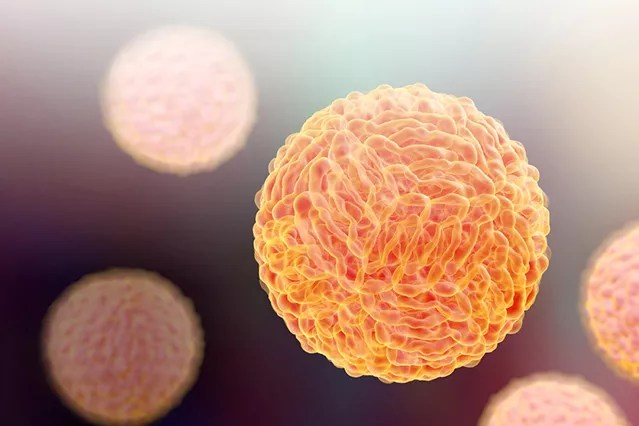
Dengue fever is a mosquito-borne viral infection that poses a significant health threat in tropical and subtropical regions around the world. With an estimated 400 million infections occurring annually, understanding the nature, transmission, symptoms, treatment, and prevention of dengue fever is crucial for global health.
Nature and Transmission
Dengue fever is caused by the dengue virus, which has four distinct serotypes: DEN-1, DEN-2, DEN-3, and DEN-4. Infection with one serotype provides lifelong immunity to that specific serotype but not to the others, leading to the possibility of multiple infections over a person’s lifetime.The primary vector for the dengue virus is the Aedes aegypti mosquito, although Aedes albopictus can also transmit the virus. These mosquitoes thrive in urban areas with standing water, which provides breeding grounds. Dengue transmission occurs when an infected mosquito bites a human, introducing the virus into the bloodstream.
Symptoms
Dengue fever typically presents with a sudden onset of high fever, severe headache, pain behind the eyes, joint and muscle pain, rash, and mild bleeding (such as nose or gum bleeding and easy bruising). The illness is often referred to as “breakbone fever” due to the severe muscle and joint pain it causes. Symptoms usually appear 4-10 days after the mosquito bite and can last for up to 10 days.In some cases, dengue fever can develop into severe dengue, also known as dengue hemorrhagic fever or dengue shock syndrome. This severe form can cause plasma leakage, fluid accumulation, respiratory distress, severe bleeding, and organ impairment. Without proper medical treatment, severe dengue can be fatal.
Diagnosis and Treatment
Diagnosing dengue fever involves clinical evaluation and laboratory tests to detect the virus, viral RNA, or antibodies produced in response to the infection. Early and accurate diagnosis is essential for effective management and treatment.There is no specific antiviral treatment for dengue fever. Management focuses on relieving symptoms and maintaining fluid balance. Patients are advised to rest, stay hydrated, and take acetaminophen for pain and fever relief. Non-steroidal anti-inflammatory drugs (NSAIDs) like aspirin and ibuprofen are avoided due to the risk of bleeding complications.
For severe dengue, hospitalization is often required to provide supportive care, including intravenous fluids, blood transfusions, and careful monitoring of vital signs.
Couldn’t Decide About the Right Treatment for You?
Allopathy, Homeopathy, Ayurveda, Unani – many treatment types, but which one for you?Consult with RxOne-Care Advisor today to find which treatment suits your condition.
Prevention
Preventing dengue fever primarily involves controlling mosquito populations and avoiding mosquito bites. Key preventive measures include:Eliminating Breeding Sites: Remove standing water in containers, gutters, and other areas where mosquitoes can lay eggs.
Using Mosquito Repellents: Apply insect repellent on exposed skin and clothing.
Wearing Protective Clothing: Wear long-sleeved shirts, long pants, socks, and shoes to minimize skin exposure.
Using Mosquito Nets: Sleep under mosquito nets, especially in areas with high mosquito activity.
Installing Screens: Use window and door screens to keep mosquitoes out of living spaces.
Community Efforts: Engage in community-based programs to reduce mosquito populations and promote awareness about dengue prevention.
Vaccination
In recent years, vaccines have been developed to provide immunity against dengue fever. Dengvaxia, the first dengue vaccine, has been approved for use in several countries. However, its use is recommended primarily for individuals who have already been infected with dengue at least once, as it may increase the risk of severe dengue in those who have not previously been exposed to the virus.
Dengue fever remains a significant public health challenge, particularly in regions with high mosquito activity. Through a combination of individual precautions, community efforts, and advances in medical research, the impact of dengue fever can be mitigated. Continued vigilance, education, and innovation are essential in the global fight against this debilitating disease. -
Avian Influenza Virus: An Overview

Avian influenza, commonly known as bird flu, is a highly contagious viral infection that primarily affects birds but can also infect humans and other animals. The virus belongs to the Orthomyxoviridae family and is divided into two types based on its pathogenicity: highly pathogenic avian influenza (HPAI) and low pathogenic avian influenza (LPAI).
Virus Classification and Structure
Avian influenza viruses are classified as influenza A viruses. They are further categorized into subtypes based on the hemagglutinin (HA) and neuraminidase (NA) proteins on their surface. There are 18 known HA subtypes (H1 to H18) and 11 known NA subtypes (N1 to N11), leading to various combinations such as H5N1 and H7N9.The virus has a segmented RNA genome, which allows for high rates of mutation and reassortment. This genetic variability is a significant factor in the virus’s ability to cross species barriers and adapt to new hosts.
Transmission and Spread
Avian influenza viruses are naturally found in wild aquatic birds worldwide and can spread to domestic poultry. Transmission occurs through direct contact with infected birds or contaminated environments. Infections in humans are rare but can happen through close contact with infected birds or their secretions.Symptoms and Pathogenicity
In birds, symptoms of avian influenza can range from mild respiratory issues to severe systemic infections, often leading to high mortality rates in poultry. HPAI strains, such as H5N1, cause severe disease and death in birds, while LPAI strains may cause mild illness or be asymptomatic.In humans, symptoms can range from typical flu-like symptoms (fever, cough, sore throat, muscle aches) to severe respiratory illness, pneumonia, and even death, particularly with HPAI strains.
Public Health and Economic Impact
Avian influenza poses significant public health risks due to the potential for zoonotic transmission and the possibility of the virus mutating into a form easily transmissible between humans. H5N1 and H7N9 are examples of strains that have caused human infections and deaths.Economically, avian influenza outbreaks can devastate the poultry industry, leading to massive culling of birds, trade restrictions, and substantial financial losses. The 2014-2015 HPAI outbreak in the United States resulted in the loss of over 50 million birds and economic damages exceeding $3 billion.
Prevention and Control
Controlling avian influenza involves a combination of strategies:Surveillance: Monitoring wild and domestic bird populations for early detection of the virus.
Biosecurity: Implementing strict hygiene practices in poultry farms to prevent the spread of the virus.
Vaccination: Developing and administering vaccines to poultry, although this is more effective for LPAI than HPAI.
Culling: Depopulating infected and exposed birds to contain outbreaks.
Public Awareness: Educating the public and poultry workers about the risks and prevention measures.
Research and Future Directions
Ongoing research focuses on understanding the virus’s mechanisms of transmission and pathogenicity, developing more effective vaccines, and improving diagnostic methods. The potential for avian influenza viruses to cause pandemics makes it a critical area of study in global health.
Avian influenza remains a major concern for both animal and human health. Vigilant surveillance, robust biosecurity measures, and international cooperation are essential to manage and mitigate the impact of this virus. Continuous research is crucial to stay ahead of the evolving threat posed by avian influenza and to protect both public health and the global economy.Avian influeza, avian-influenza, bird flu, Genetic variability, h5n1, h5n1, health, healthtrends, Hemagglutinin (HA), Highly pathogenic avian influenza (HPAI), Low pathogenic avian influenza (LPAI), Neuraminidase (NA), news, Orthomyxoviridae, Research and development, rxonecare, rxonehealthcare, Zoonotic transmission -
Harmony of Mind and Body: Achieving Holistic Well-being

The harmony of mind and body is a state of balanced well-being where physical health and mental peace coexist and support each other. This concept, rooted in ancient philosophies and holistic health practices, emphasizes the interconnectedness of our mental and physical states. Achieving harmony between mind and body is crucial for overall wellness and can enhance quality of life.
Understanding the Connection
The mind-body connection is the idea that our thoughts, emotions, and attitudes can directly affect our physical health, and vice versa. Here are key aspects of this connection:Psychosomatic Responses: Stress, anxiety, and depression can manifest physically through symptoms like headaches, muscle tension, and digestive issues. Conversely, physical ailments can lead to psychological distress.
Endorphins and Neurotransmitters: Physical activities like exercise release endorphins, which are natural mood elevators. Similarly, mental practices such as meditation can influence neurotransmitter levels, promoting a sense of well-being and reducing pain perception.
Holistic Health Practices: Many traditional and alternative medicine practices, such as yoga, acupuncture, and tai chi, are based on the principle of balancing mind and body. These practices often focus on energy flow and the integration of physical and mental exercises.
Benefits of Mind-Body Harmony
Achieving harmony between the mind and body has numerous benefits:Improved Mental Health: A balanced state can reduce the risk of mental health issues such as anxiety and depression. Mindfulness and relaxation techniques can help manage stress and improve emotional resilience.
Enhanced Physical Health: Regular physical activity and healthy eating habits, when combined with mental relaxation practices, can lead to better cardiovascular health, a stronger immune system, and increased longevity.
Increased Energy and Vitality: When the mind and body are in harmony, energy levels are typically higher. This balance can lead to better sleep, improved concentration, and greater overall vitality.
Better Stress Management: Techniques such as meditation, deep breathing, and progressive muscle relaxation can help manage stress more effectively, reducing its harmful impact on the body.
Enhanced Quality of Life: A harmonious balance contributes to a more fulfilling and enjoyable life. People who achieve this balance often report higher levels of satisfaction and happiness.
Strategies to Achieve Harmony
Achieving harmony between mind and body requires intentional practices and lifestyle choices:Mindfulness and Meditation: Incorporating mindfulness and meditation into daily routines can enhance mental clarity, reduce stress, and promote emotional stability. These practices encourage living in the present moment and help in managing negative thoughts.
Physical Activity: Regular exercise, such as yoga, pilates, or even daily walking, can significantly improve physical health and mental well-being. Exercise helps release tension, improve mood, and boost overall energy levels.
Healthy Nutrition: A balanced diet rich in nutrients supports both physical health and cognitive function. Eating mindfully and choosing foods that nourish the body can prevent chronic diseases and improve mental health.
Adequate Rest and Sleep: Quality sleep is crucial for both physical recovery and mental processing. Establishing a regular sleep routine and creating a restful environment can promote better sleep and overall harmony.
Positive Relationships: Building and maintaining healthy relationships can provide emotional support, reduce stress, and enhance feelings of connectedness. Social interactions are important for mental health and can positively impact physical health.
Self-Care Practices: Engaging in activities that bring joy and relaxation, such as hobbies, nature walks, or spa treatments, can help balance the demands of daily life and contribute to overall well-being.
The harmony of mind and body is a holistic approach to health that acknowledges the intricate connection between our mental and physical states. By adopting mindful practices, engaging in regular physical activity, maintaining a healthy diet, ensuring adequate rest, fostering positive relationships, and prioritizing self-care, we can achieve a balanced state of well-being. This harmony not only enhances our quality of life but also empowers us to navigate life’s challenges with greater resilience and joy. -
Heat Waves: Understanding the Scorching Phenomenon

Heat waves are extreme weather events characterized by prolonged periods of excessively high temperatures, often accompanied by high humidity. These phenomena can have severe impacts on health, infrastructure, and the environment, making it crucial to understand their causes, effects, and mitigation strategies.
Causes of Heat Waves
Several factors contribute to the formation of heat waves:High-Pressure Systems: Heat waves typically occur when high-pressure systems become stationary over an area. These systems trap warm air, preventing it from dissipating and leading to a continuous build-up of heat.
Climate Change: Global warming is increasing the frequency and intensity of heat waves. Higher average temperatures mean that when weather patterns shift, they are more likely to produce extreme heat events.
Urban Heat Islands: Cities tend to be hotter than rural areas due to human activities and infrastructure. Asphalt, concrete, and buildings absorb and retain heat, exacerbating the effects of heat waves in urban areas.
Geographical Factors: Certain regions are naturally predisposed to heat waves due to their geographic location. Areas closer to the equator or those with dry climates are more likely to experience extreme heat.
Effects of Heat Waves
The impacts of heat waves are far-reaching and multifaceted:Health Risks: High temperatures can cause heat-related illnesses such as heat stroke, dehydration, and exacerbation of pre-existing health conditions. Vulnerable populations, including the elderly, children, and those with chronic illnesses, are at greater risk.
Economic Impacts: Heat waves can strain energy resources as the demand for air conditioning and cooling systems spikes. This can lead to power outages and increased energy costs. Agricultural productivity may also suffer due to heat stress on crops and livestock.
Environmental Consequences: Prolonged heat can lead to droughts, reducing water availability and affecting ecosystems. Wildfires are more likely to occur during heat waves, further damaging the environment and endangering lives and property.
Infrastructure Damage: Extreme heat can warp roads, damage rail lines, and overload electrical grids. This infrastructural damage can lead to transportation disruptions and increased maintenance costs.
Mitigation and Adaptation Strategies
To combat the adverse effects of heat waves, various strategies can be implemented:Urban Planning: Designing cities with green spaces, reflective building materials, and improved ventilation can reduce the urban heat island effect. Planting trees and creating parks can provide shade and cooling.
Public Health Initiatives: Governments and organizations can develop heat action plans that include early warning systems, public education campaigns, and the establishment of cooling centers. Ensuring access to healthcare and emergency services during heat waves is also critical.
Energy Efficiency: Promoting energy-efficient buildings and appliances can help reduce the strain on power grids. Investing in renewable energy sources can also provide more resilient power systems during extreme weather events.
Climate Action: Addressing the root causes of climate change through policies aimed at reducing greenhouse gas emissions is essential for long-term mitigation. International cooperation and adherence to climate agreements are crucial in this endeavor.
Heat waves are a formidable challenge that requires a multifaceted approach to mitigate their effects and adapt to their increasing frequency. Through urban planning, public health initiatives, energy efficiency, and climate action, we can better prepare for and withstand the impacts of these extreme weather events. Understanding and addressing the causes and consequences of heat waves is essential for protecting public health, economic stability, and the environment. -
Embracing a Plant-Powered Plate: A Journey to Healthier Living

In recent years, the movement towards plant-powered diets has gained significant momentum. From environmental enthusiasts to health-conscious individuals, many are making the shift to embrace more plant-based meals. The benefits of adopting a plant-powered plate are numerous, spanning health improvements, environmental sustainability, and even culinary adventure.
Health Benefits of a Plant-Powered Diet
One of the most compelling reasons to adopt a plant-based diet is the myriad of health benefits it offers. Research consistently shows that diets rich in fruits, vegetables, legumes, nuts, and whole grains can lead to lower risks of chronic diseases such as heart disease, diabetes, and certain cancers. Plant-based diets are typically high in essential nutrients like fiber, vitamins, and antioxidants, which support overall well-being and longevity.Moreover, plant-powered plates are often lower in calories and unhealthy fats, which can contribute to maintaining a healthy weight. For those looking to improve their digestive health, the high fiber content found in plant foods is beneficial in promoting regular bowel movements and preventing constipation.
Environmental Impact
Adopting a plant-powered plate isn’t just good for your body; it’s also beneficial for the planet. The environmental impact of plant-based diets is significantly lower compared to diets heavy in animal products. Animal agriculture is a major contributor to greenhouse gas emissions, deforestation, and water pollution. By reducing meat and dairy consumption, individuals can help reduce their carbon footprint and conserve vital natural resources.Plant-based diets also promote biodiversity. Growing a variety of plants requires fewer resources and less land, which helps preserve natural habitats and supports a more sustainable agricultural system.
Culinary Exploration and Diversity
Embracing a plant-powered plate can also lead to a more diverse and exciting culinary experience. The world of plant-based foods is vast and varied, offering endless possibilities for delicious and nutritious meals. From hearty lentil stews to vibrant vegetable stir-fries, the flavors and textures of plant-based dishes can satisfy even the most discerning palates.Exploring plant-based cooking encourages creativity in the kitchen. It invites people to experiment with new ingredients, spices, and cooking techniques. This culinary adventure can make meals more enjoyable and interesting, transforming the way we approach food and eating.
Practical Tips for Transitioning
Transitioning to a plant-powered plate doesn’t have to be daunting. Here are some practical tips to help you get started:Start Small: Begin by incorporating more plant-based meals into your weekly routine. You could start with Meatless Mondays or swap out one animal product for a plant-based alternative each day.
Educate Yourself: Learn about the nutritional aspects of a plant-based diet to ensure you’re getting a balanced intake of essential nutrients. Resources like cookbooks, online recipes, and nutrition guides can be very helpful.
Plan Your Meals: Planning your meals ahead of time can make the transition smoother. Prepare a shopping list filled with plant-based staples and try meal prepping to save time during the week.
Experiment and Explore: Don’t be afraid to try new foods and recipes. Visit local farmers’ markets to discover fresh, seasonal produce, and explore ethnic cuisines known for their plant-based dishes.
Find Support: Join plant-based communities, either online or locally, to share experiences, recipes, and tips. Having a support system can make the transition more enjoyable and sustainable.
Embracing a plant-powered plate is a powerful step towards a healthier, more sustainable, and enriching lifestyle. The benefits of plant-based diets extend beyond personal health to the well-being of the planet and the joy of culinary exploration. Whether you’re looking to make a complete switch or just incorporate more plant-based meals into your diet, the journey promises to be rewarding in countless ways. So, take the first step today and discover the vibrant world of plant-powered eating. -
Stand Tall, Feel Great: The Power of Posture and Confidence

In a world where first impressions matter and self-confidence is a key to success, the simple act of standing tall can make a significant difference in how you feel and how others perceive you. The phrase “Stand Tall, Feel Great” encapsulates the powerful connection between posture and emotional well-being. Let’s explore how maintaining good posture can boost your confidence, improve your health, and enhance your overall quality of life.
The Science of Standing Tall
Good posture aligns your body in a way that puts the least strain on your muscles and ligaments. When you stand tall, with your shoulders back and your spine in a neutral position, you’re not just showing confidence; you’re also taking care of your body. Proper posture reduces the risk of back and neck pain, improves circulation, and helps your muscles work more efficiently.The Confidence Connection
Have you ever noticed how certain poses make you feel more powerful? That’s not just in your head. Research has shown that adopting an upright posture can actually influence your hormone levels and brain function. Power poses, such as standing tall with your hands on your hips, have been linked to increased levels of testosterone and decreased levels of cortisol. This hormonal shift can boost your confidence and reduce stress, making you feel more prepared to tackle challenges.Practical Tips for Better Posture
Mind Your Alignment: Imagine a straight line running from your earlobe to your shoulder, down to your hip, knee, and ankle. This alignment helps distribute your weight evenly and prevents strain.Strengthen Your Core: A strong core supports your spine and helps maintain good posture. Incorporate exercises like planks, bridges, and abdominal crunches into your routine.
Stay Active: Regular physical activity keeps your muscles strong and flexible, which is essential for maintaining good posture. Even simple activities like walking or stretching can make a big difference.
Ergonomic Workspace: If you spend a lot of time sitting, ensure your workspace is ergonomically friendly. Your chair should support your lower back, and your computer screen should be at eye level to avoid straining your neck.
Mindful Reminders: Use visual cues or reminders to check your posture throughout the day. Sticky notes on your computer screen or periodic phone alarms can prompt you to stand or sit up straight.
The Emotional Benefits
Standing tall isn’t just about physical health; it also has profound emotional benefits. Good posture can make you feel more assertive and capable, which in turn influences how others interact with you. When you present yourself confidently, people are more likely to respond positively, creating a cycle of positive reinforcement that boosts your self-esteem and overall mood.Stand Tall in Every Situation
Whether you’re preparing for a big presentation, walking into a social event, or simply going about your daily routine, remember to stand tall. It’s a simple yet powerful way to project confidence and ensure you’re presenting your best self to the world. The act of standing tall can change your internal state, making you feel great both inside and out.
“Stand Tall, Feel Great” is more than just a catchy phrase; it’s a philosophy that underscores the importance of posture in enhancing your physical health and emotional well-being. By paying attention to how you carry yourself, you can unlock a greater sense of confidence, reduce stress, and improve your overall quality of life. So, the next time you feel uncertain or anxious, straighten up, take a deep breath, and stand tall—you’ll be amazed at how great it can make you feel.If you’re struggling to decide on the right treatment for your condition and need expert advice, consider exploring the Discover Care Path. Here, you can attend a free class and consult with an RxOne Care Advisor to find the treatment that best suits your needs. Taking charge of your health is another way to stand tall and feel great.
-
Savor the Flavor: Elevating Your Culinary Experience

n our fast-paced world, the act of eating often becomes a hurried necessity rather than a cherished experience. “Savor the Flavor” is an invitation to slow down and appreciate the rich, diverse tastes that food offers. By paying attention to the sensory details of what we eat, we can transform meals into moments of joy and connection. Here’s how to embrace the art of savoring flavor.
1. Mindful Eating
Mindful eating is about being present and fully engaged with the process of eating. Here are some tips to help you eat more mindfully:
Eat Slowly: Take time to chew thoroughly and appreciate the textures and flavors of each bite.
Engage Your Senses: Notice the colors, smells, and sounds of your food. Enjoy the tactile experience of different textures.
Eliminate Distractions: Put away your phone, turn off the TV, and focus solely on your meal and the company around you.
2. Explore New Flavors
Experimenting with new ingredients and cuisines can expand your palate and make meals more exciting:
Try Exotic Spices: Incorporate spices like turmeric, cumin, and saffron to add depth and complexity to your dishes.
Global Cuisines: Explore dishes from different cultures, such as Thai, Indian, or Moroccan cuisine, to introduce a variety of flavors to your diet.
Seasonal and Local Ingredients: Use fresh, seasonal produce from local markets to enjoy the best flavors nature has to offer.
3. Cook at Home
Cooking at home allows you to control the ingredients and create dishes tailored to your taste preferences:
Experiment with Recipes: Try new recipes and cooking techniques to discover different flavor profiles.
Quality Ingredients: Invest in high-quality, fresh ingredients for the best taste.
Family and Friends: Cooking with loved ones can make the process enjoyable and the meal more meaningful.
4. Balance and Contrast
A well-balanced dish with contrasting flavors can create a more satisfying eating experience:
Sweet and Salty: Pair sweet fruits with salty cheeses or meats for a delightful contrast.
Spicy and Cool: Balance spicy dishes with cooling elements like yogurt or cucumber.
Acid and Fat: Use acidic ingredients like vinegar or citrus to cut through rich, fatty foods and enhance flavor.
5. Enhance Natural Flavors
Highlighting the natural flavors of ingredients can make dishes more enjoyable without relying on excessive seasoning:
Proper Seasoning: Use salt and pepper judiciously to enhance, not overpower, natural flavors.
Fresh Herbs: Add fresh herbs like basil, cilantro, or parsley to brighten dishes.
Cooking Techniques: Techniques like roasting, grilling, and steaming can bring out the best in your ingredients.
6. Wine and Food Pairing
Pairing the right wine with your meal can elevate the flavors of both the food and the wine:
Red Wines: These pair well with rich, hearty dishes like steak, lamb, or mushroom-based dishes.
White Wines: Light, acidic whites complement seafood, chicken, and vegetable dishes.
Sparkling Wines: These versatile wines can be paired with a variety of foods, from appetizers to desserts.
7. Appreciate the Experience
Finally, take time to appreciate the entire dining experience:
Setting the Scene: Create a pleasant dining environment with good lighting, music, and a nicely set table.
Gratitude: Take a moment to be thankful for the food and the effort that went into preparing it.
Shared Meals: Eating with family and friends can enhance the joy and flavor of the meal.
“Savor the Flavor” is more than just a slogan; it’s a way of approaching food with mindfulness and appreciation. By exploring new flavors, cooking at home, balancing tastes, enhancing natural flavors, pairing wines, and appreciating the dining experience, you can transform everyday meals into extraordinary moments. Embrace these practices to deepen your connection with food, enhance your culinary enjoyment, and add a little more joy to each bite. -
Sweet Dreams, Better Health: The Power of Quality Sleep

In our fast-paced, always-on world, sleep often takes a backseat to other priorities. However, quality sleep is essential for maintaining optimal health and well-being. Good sleep not only rejuvenates the body but also enhances mental and emotional health. This article explores the profound impact of sleep on health and provides tips for achieving sweet dreams and better health.
The Importance of Quality Sleep
Physical Health
Quality sleep is vital for physical health. During sleep, the body repairs tissues, builds muscle, and strengthens the immune system. Adequate sleep is associated with a lower risk of developing chronic conditions such as heart disease, diabetes, and obesity. Additionally, good sleep helps regulate hormones that control hunger, reducing the risk of overeating and weight gain.Mental Health
Sleep plays a crucial role in cognitive function and mental health. During sleep, the brain processes and consolidates memories, making it easier to learn and recall information. Lack of sleep can impair cognitive abilities, leading to difficulties with concentration, decision-making, and problem-solving. Furthermore, chronic sleep deprivation is linked to an increased risk of mental health disorders such as depression and anxiety.Emotional Health
Emotional well-being is closely tied to sleep quality. Poor sleep can affect mood, leading to irritability, stress, and difficulty managing emotions. Quality sleep, on the other hand, promotes emotional stability and resilience. People who get adequate sleep are better equipped to handle daily stressors and maintain positive relationships.Tips for Better Sleep
Establish a Sleep Routine
Creating a consistent sleep schedule is one of the most effective ways to improve sleep quality. Going to bed and waking up at the same time every day helps regulate the body’s internal clock, making it easier to fall asleep and wake up naturally.Create a Relaxing Bedtime Ritual
Developing a calming pre-sleep routine can signal to your body that it’s time to wind down. Activities such as reading a book, taking a warm bath, or practicing gentle yoga can help relax the mind and body, making it easier to drift off to sleep.Optimize Your Sleep Environment
The sleep environment plays a significant role in the quality of sleep. Ensure that your bedroom is cool, quiet, and dark. Investing in a comfortable mattress and pillows can also make a significant difference. Additionally, consider using blackout curtains, earplugs, or a white noise machine to minimize disturbances.Limit Exposure to Screens
The blue light emitted by phones, tablets, and computers can interfere with the production of melatonin, the hormone that regulates sleep. Try to avoid screens for at least an hour before bedtime. Instead, engage in relaxing activities that do not involve electronics.Watch Your Diet
What you eat and drink can impact your sleep. Avoid large meals, caffeine, and alcohol close to bedtime, as these can disrupt sleep. Instead, opt for light snacks if you’re hungry and stay hydrated throughout the day.Stay Active
Regular physical activity can promote better sleep by reducing stress and anxiety. Aim for at least 30 minutes of moderate exercise most days of the week. However, avoid vigorous exercise close to bedtime, as it can be stimulating and interfere with sleep.Manage Stress
Chronic stress and anxiety can significantly impact sleep quality. Techniques such as mindfulness, meditation, deep breathing exercises, and progressive muscle relaxation can help manage stress and create a sense of calm before bed.When to Seek Help
If you’ve implemented these tips and still struggle with sleep, it may be time to seek professional help. Chronic sleep problems can be a sign of underlying health issues such as sleep apnea, insomnia, or other sleep disorders. A healthcare professional or sleep specialist can provide a comprehensive evaluation and recommend appropriate treatments.Sweet dreams and better health are intrinsically linked. Prioritizing sleep is one of the best investments you can make in your overall well-being. By adopting healthy sleep habits and creating an environment conducive to rest, you can improve the quality of your sleep and, in turn, enhance your physical, mental, and emotional health. Remember, a good night’s sleep is not a luxury but a necessity for a vibrant and healthy life.
-
Hydration: The Key to Unlocking Your Optimal Health

Water is life. This simple statement encapsulates the vital role hydration plays in our overall health and well-being. From aiding in digestion to maintaining cognitive function, staying hydrated is essential for every cell, tissue, and organ in our bodies. In this article, we will explore the profound benefits of hydration, how much water you should be drinking, and tips to stay properly hydrated.
Why Hydration is Important
Water makes up about 60% of our body weight and is crucial for various physiological functions. Here’s how proper hydration impacts our health:Maintains Cellular Health
Every cell in the body relies on water to function properly. Hydration helps cells absorb nutrients and expel waste products efficiently.
Supports Digestive SystemWater aids in digestion by helping dissolve fats and soluble fiber. It ensures smooth bowel movements and prevents constipation.
Regulates Body TemperatureThrough perspiration and respiration, water helps maintain a stable body temperature, especially during physical activity or in hot environments.
Enhances Physical PerformanceProper hydration improves endurance, reduces fatigue, and lowers the risk of heat stress during exercise. Dehydration can impair physical performance and increase the risk of cramps and strains.
Promotes Healthy SkinAdequate water intake helps keep your skin hydrated, reducing the appearance of dryness and wrinkles. It supports skin elasticity and a healthy complexion.
Aids Kidney FunctionWater is essential for the kidneys to filter waste from the blood and excrete it in urine. Proper hydration reduces the risk of kidney stones and urinary tract infections.
Boosts Cognitive FunctionDehydration can impair concentration, alertness, and short-term memory. Staying hydrated helps maintain cognitive performance and mental clarity.
Supports Immune SystemHydration helps maintain the integrity of mucous membranes in the respiratory tract, which are the body’s first line of defense against pathogens.
How Much Water Do You Need?
The amount of water a person needs can vary based on several factors, including age, gender, weight, climate, and activity level. However, a common guideline is the “8×8 rule”: drinking eight 8-ounce glasses of water a day, which equals about 2 liters or half a gallon. Here are some more specific recommendations:Men: About 3.7 liters (or 13 cups) of total water intake per day.
Women: About 2.7 liters (or 9 cups) of total water intake per day.
Total water intake includes all beverages and food with high water content, such as fruits and vegetables.Signs of Dehydration
Recognizing the early signs of dehydration can help you take action before it becomes severe. Some common symptoms include:Thirst
Dry mouth
Fatigue
Dark yellow urine
Dizziness
Confusion
Tips for Staying Hydrated
Carry a Water Bottle: Keep a reusable water bottle with you to make drinking water convenient throughout the day.
Set Reminders: Use phone apps or alarms to remind you to drink water regularly.
Eat Water-Rich Foods: Include fruits and vegetables like watermelon, cucumber, and oranges in your diet.
Start Your Day with Water: Drink a glass of water first thing in the morning to kick-start your hydration.
Flavor Your Water: Add a slice of lemon, lime, or cucumber to your water for a refreshing taste.
Monitor Your Intake: Keep track of how much water you drink to ensure you’re meeting your hydration goals.
Conclusion
The power of hydration cannot be overstated. Water is fundamental to our health, influencing everything from physical performance to mental clarity. By understanding the importance of staying hydrated and implementing simple strategies to ensure adequate water intake, you can enhance your overall well-being and lead a healthier, more vibrant life. Remember, drink up and stay hydrated!locking Your Optimal Health -
Everything You Need to Know About Fatty Liver Disease: Types, Symptoms, and Prevention
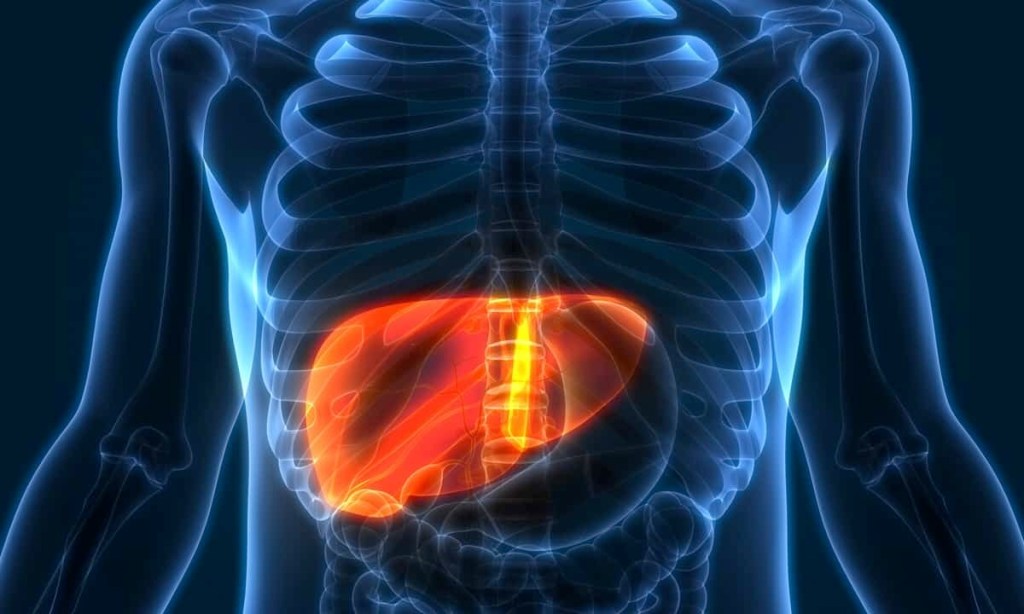
Have you ever heard of fatty liver disease? It might sound like a condition exclusive to heavy drinkers, but it’s more common than you might think and can affect anyone. Let’s dive into what fatty liver disease is, its types, how it’s diagnosed, and what you can do to manage and prevent it.
Fatty Liver Disease?
Fatty liver disease, or hepatic steatosis, happens when too much fat builds up in your liver. While having some fat in your liver is normal, when it makes up more than 5-10% of your liver’s weight, it can become a problem. There are two main types of fatty liver disease: Non-Alcoholic Fatty Liver Disease (NAFLD) and Alcoholic Fatty Liver Disease (AFLD).Types of Fatty Liver Disease
Non-Alcoholic Fatty Liver Disease (NAFLD)Overview: This type happens in people who drink little to no alcohol. It’s often linked to obesity, diabetes, and metabolic syndrome.
Prevalence: NAFLD is the most common liver disorder in developed countries, affecting up to 25-30% of people.
Risk Factors: Being overweight, having high blood sugar, high levels of fats in your blood, metabolic syndrome, and certain genetic factors.
Symptoms: Many people don’t have symptoms, but some might feel tired, have pain in the upper right side of their abdomen, or have elevated liver enzymes.
Progression: NAFLD can progress to a more severe condition called Non-Alcoholic Steatohepatitis (NASH), which involves liver inflammation and damage. NASH can lead to fibrosis (scarring), cirrhosis, and liver cancer.
Alcoholic Fatty Liver Disease (AFLD)Overview: AFLD is caused by heavy alcohol use, which changes how your liver metabolizes fat.
Risk Factors: How much and how long you drink alcohol, genetics, obesity, and other health conditions.
Symptoms: Similar to NAFLD, symptoms include fatigue, abdominal discomfort, and elevated liver enzymes.
Progression: Long-term alcohol abuse can cause alcoholic hepatitis (liver inflammation), fibrosis, cirrhosis, and increase the risk of liver cancer.
How is Fatty Liver Disease Diagnosed?
Diagnosing fatty liver disease involves a few steps:Medical History and Physical Exam: Your doctor will ask about your alcohol intake, diet, and risk factors, and perform a physical exam.
Blood Tests: Liver function tests to check for elevated liver enzymes.
Imaging Studies: Ultrasound, CT scan, or MRI can show fat in the liver.
Liver Biopsy: Sometimes, a biopsy is needed to see the extent of liver damage and distinguish between simple steatosis and NASH.
Managing and Treating Fatty Liver Disease
Lifestyle ChangesDiet: Eat a healthy, balanced diet that’s low in saturated fats, sugars, and refined carbs. Focus on fruits, vegetables, whole grains, and lean proteins.
Weight Loss: Gradual weight loss through diet and exercise can reduce liver fat significantly.
Exercise: Aim for at least 150 minutes of moderate-intensity exercise each week.
Medical ManagementMedications: No specific drugs are approved for NAFLD, but managing conditions like diabetes, high cholesterol, and high blood pressure is important.
Alcohol Cessation: If you have AFLD, stopping alcohol use is crucial to prevent further liver damage and improve your liver health.
Regular Check-upsStay in touch with your healthcare provider to monitor your liver function and manage any related health issues.
Preventing Fatty Liver Disease
Preventing fatty liver disease is all about maintaining a healthy lifestyle:Keep a healthy weight.
Eat a balanced, nutritious diet.
Exercise regularly.
Avoid excessive alcohol consumption.
Manage chronic conditions like diabetes and high blood pressure.
Fatty liver disease is a serious health issue that can lead to severe liver problems if ignored. By understanding the risk factors, recognizing the symptoms, and making healthy lifestyle choices, you can take control of your liver health. Regular medical check-ups and a commitment to a healthier lifestyle are your best defenses against this condition. Remember, your liver is essential for your overall well-being, so take good care of it! -
Healthy Diet: A Path to Optimal Wellness

Maintaining a healthy diet is a cornerstone of overall well-being and plays a crucial role in preventing chronic diseases, boosting energy levels, and enhancing mental health. A balanced diet provides the body with the essential nutrients it needs to function effectively. Here, we explore the components of a healthy diet and offer practical tips for adopting healthier eating habits.
Key Components of a Healthy Diet
Fruits and Vegetables: These are rich in vitamins, minerals, fiber, and antioxidants. Aim to fill half your plate with a variety of colorful fruits and vegetables. This diversity ensures you get a broad range of nutrients.Whole Grains: Whole grains such as brown rice, quinoa, oats, and whole wheat provide fiber, which aids in digestion and helps maintain stable blood sugar levels. Replace refined grains with whole grains to maximize nutrient intake.
Lean Proteins: Protein is essential for building and repairing tissues. Opt for lean sources such as chicken, turkey, fish, beans, lentils, and tofu. Including a variety of protein sources ensures you get all the essential amino acids your body needs.
Healthy Fats: Not all fats are bad. Unsaturated fats found in avocados, nuts, seeds, and olive oil are beneficial for heart health. Limit saturated and trans fats, commonly found in fried foods and processed snacks.
Dairy or Dairy Alternatives: These provide calcium, vitamin D, and other nutrients important for bone health. Choose low-fat or fat-free options, or explore fortified plant-based alternatives like almond or soy milk.
Hydration: Water is vital for every bodily function, from digestion to temperature regulation. Aim to drink at least eight glasses of water a day. Limit sugary drinks and opt for herbal teas or infused water if you need variety.
Practical Tips for Healthy Eating
Plan Your Meals: Planning meals in advance helps ensure you have balanced options and reduces the temptation to opt for unhealthy convenience foods. Include a mix of macronutrients and aim for a variety of foods each week.Portion Control: Being mindful of portion sizes helps prevent overeating. Use smaller plates, pay attention to hunger cues, and avoid eating out of large packages.
Read Nutrition Labels: Understanding food labels can help you make healthier choices. Look for foods high in nutrients and low in added sugars, sodium, and unhealthy fats.
Cook at Home: Preparing meals at home allows you to control the ingredients and cooking methods, making it easier to stick to healthy eating guidelines.
Limit Processed Foods: Processed foods are often high in unhealthy fats, sugars, and sodium. Opt for whole, minimally processed foods whenever possible.
Enjoy Treats in Moderation: It’s okay to indulge occasionally, but make sure treats don’t become a regular part of your diet. Balance them with nutrient-dense foods.
Benefits of a Healthy Diet
Disease Prevention: A healthy diet can reduce the risk of chronic diseases such as heart disease, diabetes, and certain cancers. Nutrient-rich foods support the immune system and reduce inflammation.Weight Management: Eating a balanced diet helps maintain a healthy weight by providing the right amount of calories and nutrients. Whole foods are generally more filling and satisfying, reducing the likelihood of overeating.
Improved Mental Health: There is a strong connection between diet and mental well-being. Nutrient-dense foods support brain health and can improve mood and cognitive function.
Increased Energy: Eating a variety of nutrient-rich foods ensures your body has the energy it needs to perform daily activities efficiently. Stable blood sugar levels prevent energy crashes and sustain focus throughout the day.
Better Digestive Health: High-fiber foods promote healthy digestion and prevent constipation. Probiotic-rich foods like yogurt and fermented vegetables support a healthy gut microbiome.
Adopting a healthy diet is a powerful step towards achieving optimal health and well-being. By focusing on a variety of nutrient-rich foods, practicing mindful eating, and making informed choices, you can enhance your quality of life and pave the way for a healthier future. Remember, small changes can make a big difference, so start today and enjoy the journey to better health.
-
Delving into the Depths of Neuroscience: Unraveling the Wonders of the Human Brain

Welcome to the enthralling world of neuroscience, where the mysteries of the human brain are brought to light through the lens of scientific inquiry. From the intricate web of neurons firing within our minds to the awe-inspiring phenomenon of consciousness, neuroscience unveils the complexities that make us uniquely human. Join me on a journey through the fascinating realms of the brain as we explore the latest discoveries and delve into the forefront of neuroscientific research.
The Brain: Nature’s Masterpiece
The human brain, a marvel of evolutionary engineering, reigns supreme as the most complex organ in the known universe. Comprising approximately 86 billion neurons, each connected through trillions of synapses, the brain orchestrates every thought, sensation, and action we experience. Its structure, function, and plasticity form the cornerstone of neuroscience, driving our quest to unravel its secrets.Neuroplasticity: The Brain’s Adaptive Powerhouse
Central to the brain’s remarkable capabilities is its ability to adapt and rewire itself in response to experience – a phenomenon known as neuroplasticity. Whether learning a new skill, recovering from injury, or navigating the challenges of daily life, the brain continually reshapes its neural circuits to meet the demands of its environment. Understanding neuroplasticity holds profound implications for education, rehabilitation, and the treatment of neurological disorders.Mapping the Mind: Tools of Neuroscience
Advancements in technology have revolutionized our ability to probe the inner workings of the brain with unprecedented precision. From non-invasive imaging techniques like functional magnetic resonance imaging (fMRI) and positron emission tomography (PET) to cutting-edge methods such as optogenetics and deep brain stimulation, neuroscientists employ an arsenal of tools to unravel the brain’s mysteries. These techniques provide invaluable insights into brain function, connectivity, and dysfunction, paving the way for novel therapeutic interventions and medical breakthroughs.The Brain in Health and Disease
Neuroscience plays a pivotal role in understanding and treating a myriad of neurological and psychiatric disorders, from Alzheimer’s and Parkinson’s diseases to depression and schizophrenia. By elucidating the underlying neural mechanisms and pathways involved, researchers strive to develop targeted interventions to alleviate suffering and improve quality of life for millions of individuals worldwide. Through interdisciplinary collaboration and innovative approaches, neuroscience holds the promise of transformative advances in mental health care and neurorehabilitation.The Quest for Consciousness
At the intersection of neuroscience and philosophy lies the enigmatic nature of consciousness – the subjective experience of being alive and aware. While the neural correlates of consciousness remain elusive, neuroscientists endeavor to unravel its mysteries through empirical investigation and theoretical inquiry. From studying the brain’s activity during altered states of consciousness to exploring the role of neural networks in self-awareness, the quest to understand the nature of consciousness represents one of the most profound challenges in modern science.As we embark on this journey through the realms of neuroscience, we uncover the wonders of the human brain – a testament to the beauty and complexity of nature’s masterpiece. From the intricate dance of neurons to the profound mysteries of consciousness, neuroscience offers a window into the essence of what it means to be human. As we continue to unravel the secrets of the brain, we stand poised on the brink of new discoveries and transformative insights that promise to shape the future of medicine, technology, and our understanding of ourselves.
-
Embracing Ageing with Grace

In a society often obsessed with youth and vitality, the concept of aging gracefully can seem like an elusive ideal. However, ageing is an inevitable journey that each of us embarks upon from the moment we are born. Rather than viewing ageing as a decline, it’s time to reframe our perspective and embrace the process with grace and gratitude.
Aging is not a curse; it’s a privilege denied to many. With each passing year, we accumulate experiences, wisdom, and memories that shape us into the individuals we are meant to become. The lines on our faces tell stories of laughter, love, and resilience. Embracing ageing means celebrating the beauty of a life well-lived, rather than lamenting the passage of time.
Taking care of our bodies is essential for aging gracefully. Regular exercise not only keeps our physical health in check but also boosts our mood and cognitive function. Whether it’s yoga, walking, swimming, or dancing, finding activities that bring joy and vitality is key to staying active as we age. Additionally, prioritizing a balanced diet rich in fruits, vegetables, lean proteins, and whole grains nourishes our bodies from the inside out, providing the fuel needed to thrive at any age.
Just as important as physical health is maintaining mental acuity as we age. Engaging in lifelong learning keeps our minds sharp and curious. Whether it’s picking up a new hobby, learning a language, or exploring topics of interest, the pursuit of knowledge is a lifelong journey that keeps our brains active and engaged. Furthermore, practicing mindfulness, meditation, and stress-reduction techniques can help alleviate anxiety and promote mental well-being as we navigate the complexities of ageing.
Human connection is a fundamental aspect of aging gracefully. Building and nurturing relationships with family, friends, and community members provide us with love, support, and a sense of belonging. As we age, investing time and energy into meaningful connections becomes even more important for our emotional well-being. Whether it’s through shared experiences, heartfelt conversations, or acts of kindness, cultivating relationships that uplift and inspire us enriches our lives immeasurably.
One of the greatest gifts of aging is the accumulation of wisdom and experience. Each gray hair and wrinkle represents a lesson learned, a challenge overcome, and a milestone achieved. Rather than fearing the passage of time, we can embrace our age as a badge of honor, proudly displaying the richness of our life experiences. By embracing our wisdom and sharing it with others, we can inspire future generations and leave a lasting legacy that transcends the boundaries of time.
Aging gracefully is not about defying the inevitable, but rather about embracing the journey with grace, gratitude, and resilience. By nurturing our physical and mental well-being, fostering meaningful connections, and celebrating the wisdom and experiences that come with each passing year, we can approach aging as a beautiful and enriching chapter of our lives. So let us embrace the gift of aging, knowing that every year brings new opportunities for growth, learning, and love. -
Unveiling Health Equity: The Crucial Role of Social Determinants

In the realm of public health, the concept of health gain value has evolved to encompass not just medical interventions, but also the broader social determinants that significantly influence health outcomes. While medical treatments and interventions play a crucial role, it’s increasingly recognized that addressing the social determinants of health is equally vital in promoting overall well-being and reducing health disparities.
Social determinants of health refer to the conditions in which people are born, grow, live, work, and age. These determinants include factors such as socioeconomic status, education, employment, housing, access to nutritious food, social support networks, and the physical environment. While these factors may not seem directly related to health care, they exert a profound influence on an individual’s health status and their ability to access and benefit from healthcare services.
The importance of addressing social determinants of health gain value becomes apparent when considering their impact on health outcomes. Research consistently demonstrates that individuals from disadvantaged socioeconomic backgrounds experience poorer health outcomes compared to those from more privileged backgrounds. For example, people with lower incomes are more likely to suffer from chronic diseases, have shorter life expectancies, and experience higher rates of morbidity and mortality.
Addressing social determinants of health is not only a matter of social justice but also makes economic sense. Investing in interventions that improve social determinants of health can lead to significant cost savings for healthcare systems. For instance, providing stable housing for homeless individuals can reduce the frequency of emergency room visits and hospitalizations, thus lowering healthcare costs in the long run.
Furthermore, improving social determinants of health can lead to a more equitable distribution of health outcomes. By addressing underlying social and economic inequalities, we can work towards closing the gap in health disparities between different socioeconomic groups. This not only benefits individuals but also strengthens communities and societies as a whole.
Policymakers, healthcare providers, community organizations, and other stakeholders all have a role to play in addressing social determinants of health. This may involve implementing policies that promote economic opportunity, investing in education and job training programs, ensuring access to affordable housing and nutritious food, and creating supportive social environments.
In conclusion, recognizing the value of addressing social determinants of health is essential for promoting health equity and improving overall population health. By understanding and addressing the social factors that influence health outcomes, we can create a healthier, more equitable society for all.
-
The Vital Link Between Physical and Mental Health

In the journey towards overall wellness, we often focus on two separate aspects: physical health and mental well-being. However, what many fail to realize is the intricate connection between these two pillars of our health. The truth is, our bodies and minds are not isolated entities but rather deeply intertwined systems that constantly influence each other.
Physical health, encompassing aspects such as exercise, nutrition, and rest, plays a fundamental role in shaping our mental well-being. Regular physical activity, for instance, is not only crucial for maintaining a healthy weight and reducing the risk of chronic diseases but also acts as a powerful antidote to stress, anxiety, and depression. When we exercise, our bodies release endorphins, often referred to as “feel-good” hormones, which can lift our mood and boost our overall outlook on life.
Similarly, what we put into our bodies in terms of nutrition can have a profound impact on our mental health. A balanced diet rich in nutrients not only fuels our physical functions but also provides the building blocks for proper brain function. Research has shown that certain nutrients, such as omega-3 fatty acids found in fish and nuts, and antioxidants found in fruits and vegetables, can support cognitive function and protect against mood disorders.
On the flip side, poor physical health can take a toll on our mental well-being. Chronic illnesses, pain, and physical limitations can lead to feelings of frustration, hopelessness, and even depression. Additionally, lack of sleep, which is often linked to physical health issues, can impair cognitive function, exacerbate stress, and increase the risk of mental health disorders.
Conversely, our mental state can significantly influence our physical health outcomes. Stress, for example, has been implicated in a wide range of physical ailments, from heart disease and digestive issues to immune system dysfunction. Chronic stress can trigger inflammation in the body, weaken the immune system, and disrupt various physiological processes, ultimately increasing susceptibility to illness.
In essence, achieving optimal health requires recognizing and nurturing the intricate connection between our physical and mental well-being. By prioritizing activities that promote both aspects of health—such as regular exercise, nutritious eating, adequate sleep, stress management, and seeking support when needed—we can cultivate a holistic approach to wellness that fosters balance, resilience, and vitality in both body and mind.
Remember, taking care of your physical health isn’t just about looking good on the outside—it’s about feeling good on the inside too. And when we prioritize our mental well-being alongside our physical health, we pave the way for a happier, healthier, and more fulfilling life.
#RxOne #RxOneCare
-
The Hidden Hunger: Unveiling Latent Iron Deficiency

Hey there! You might have heard about iron deficiency, but have you ever heard of its sneaky cousin, latent iron deficiency? It’s like a ninja thief, silently stealing your energy and making you feel blah without you even knowing it. But fear not! In this blog post, we’re going to shine a light on what latent iron deficiency is, how it affects you, and what you can do about it in simple, everyday language.
What’s Latent Iron Deficiency, Anyway?
Picture this: your body needs iron to keep things running smoothly. But sometimes, even if you’re not officially anemic, your iron levels can be low enough to cause trouble. That’s latent iron deficiency for you! It’s like having a low battery in your energy pack, making you feel tired, weak, and just not yourself.
Why Should You Care?
Okay, so why does this matter? Well, iron is like the superhero of nutrients, helping your body do all sorts of cool stuff, like carrying oxygen to your cells, powering up your muscles, and even keeping your immune system in check. When your iron levels dip, it’s like putting a speed limit on all these awesome functions, making you feel sluggish and more prone to getting sick.
How to Beat the Iron Blues:
Now, onto the fun part – how to kick latent iron deficiency to the curb and feel like your vibrant self again! Here are some simple tips anyone can follow:
- Eat Iron-Rich Foods: Think of iron-rich foods as your secret weapons against the iron blues. Load up on stuff like chicken, fish, beans, spinach, and nuts. Bonus points if you pair them with vitamin C-rich foods like oranges or bell peppers to supercharge your iron absorption!
- Consider Supplements: Sometimes, even with the best diet, your iron levels might need an extra boost. That’s where iron supplements come in. Just make sure to chat with your doc first to find the right dose for you.
- Check for Hidden Culprits: If you suspect your iron levels are tanking, it’s worth investigating if something else is going on. Things like heavy periods or tummy troubles could be to blame, so don your detective hat and get to the bottom of it!
- Keep Tabs on Yourself: Don’t leave your iron levels to chance – get them checked regularly, especially if you’re feeling off. Your doc can give you the lowdown on how often you need to do this.
- Be Your Best Self: Finally, don’t forget to take care of yourself in other ways too. Get enough sleep, manage stress like a boss, and stay active – all these things help your body make the most of the iron it has.
So, there you have it – the scoop on latent iron deficiency and how to show it who’s boss! Remember, your body is like a well-oiled machine, and iron is the fuel that keeps it humming along smoothly. By giving it the TLC it deserves through good food, smart supplements, and a healthy lifestyle, you’ll be saying goodbye to the iron blues and hello to boundless energy and vitality. Ready to take on the world? You bet you are!
-
The Best Time to Eat Fruits During the Day!

In the quest for a healthier lifestyle, many people turn to fruits as a nutritious and delicious addition to their diet. Rich in vitamins, minerals, and antioxidants, fruits offer a plethora of health benefits that can help boost immunity, improve digestion, and enhance overall well-being. But have you ever wondered when is the best time to consume these nutrient-packed delights? In this blog post, we’ll explore the optimal times to eat fruits during the day, backed by science and expert recommendations.
The Importance of Timing in Fruit Consumption
While eating fruits at any time of the day is beneficial, timing your fruit intake can maximize their nutritional value and help you reap the most health benefits. The body’s metabolic processes and nutrient absorption rates vary throughout the day, making certain times more conducive to fruit consumption.
Best Times to Eat Fruits
Morning
- Breakfast: Starting your day with fruits can kickstart your metabolism and provide a natural energy boost. Fruits like bananas, berries, and oranges are excellent choices for breakfast, as they are easy to digest and provide essential vitamins to fuel your day.
Mid-Morning Snack
- Between Meals: A mid-morning fruit snack can help curb hunger cravings and keep you satiated until lunchtime. Opt for fruits that are low in calories but high in fiber, such as apples, pears, or kiwi, to promote feelings of fullness and aid in digestion.
Afternoon
- Pre-Workout: Consuming fruits an hour or two before your workout can provide you with the necessary energy and hydration to perform at your best. Bananas, grapes, and watermelon are excellent choices, as they are rich in carbohydrates and water content, perfect for replenishing energy stores and preventing dehydration.
Evening
- Dinner: While it’s generally best to consume fruits earlier in the day, incorporating them into your dinner can still be beneficial. However, opt for lighter fruits like melons, berries, or citrus fruits, as heavy or sugary fruits may disrupt your sleep and digestion.
Tips for Optimal Fruit Consumption
- Pair with Protein: Combining fruits with protein-rich foods like Greek yogurt or nuts can help balance blood sugar levels and provide sustained energy throughout the day.
- Avoid Fruit Juices: While convenient, fruit juices often contain added sugars and lack the fiber found in whole fruits. Opt for whole fruits instead to maximize nutritional benefits.
- Listen to Your Body: Pay attention to how your body responds to different fruits and adjust your intake accordingly. Some people may experience digestive issues when consuming certain fruits, so it’s essential to find what works best for you.
Conclusion
Incorporating fruits into your daily diet is a simple and effective way to boost your health and well-being. By timing your fruit consumption strategically, you can optimize nutrient absorption, support metabolic processes, and maintain energy levels throughout the day.
As always, it’s essential to consult with a healthcare professional or nutritionist to ensure that your dietary choices align with your individual health needs and goals.
Stay tuned to RxOne app for more nutrition tips, meal plans, and personalized insights to help you live your healthiest life possible!
-
The Dangers of Self-Medication: Why it is a Risky Choice

Self-medication, the act of treating oneself with over-the-counter medications or prescription drugs without proper medical supervision, has become increasingly common in today’s fast-paced world. While it may seem convenient to grab a pill for a headache or take antibiotics leftover from a previous illness, self-medication poses serious risks to our health. In this article, we will explore the dangers associated with self-medication and why it’s crucial to consult with healthcare professionals before taking any medication.
1. Incorrect Diagnosis
One of the most significant risks of self-medication is the potential for incorrect diagnosis. Without proper medical evaluation, it’s challenging to identify the root cause of symptoms accurately. Taking medication without knowing the underlying issue can lead to ineffective treatment and may worsen the condition over time.
2. Drug Interactions
Mixing different medications can result in harmful drug interactions. Some drugs can interfere with each other’s effectiveness or amplify side effects, leading to adverse reactions. Without medical supervision, it’s challenging to determine which combinations are safe and which are not, putting your health at risk.
3. Masking Symptoms
Self-medication often focuses on symptom relief rather than addressing the underlying cause of the problem. While this may provide temporary relief, it can mask more severe health issues that require proper diagnosis and treatment. Ignoring symptoms can delay necessary medical care, leading to complications and worsening of the condition.
4. Antibiotic Resistance
Overuse and misuse of antibiotics are significant concerns associated with self-medication. Taking antibiotics without a prescription or not completing the full course can contribute to antibiotic resistance. This means that bacteria become resistant to the drugs, making infections harder to treat and posing a global health threat.
5. Addiction and Dependence
Some over-the-counter and prescription medications have addictive properties, especially painkillers, sedatives, and stimulants. Using these drugs without medical supervision can lead to dependence, tolerance, and addiction, jeopardizing your physical and mental well-being.
Conclusion
While self-medication may seem like a convenient solution for minor health issues, it comes with significant risks that should not be overlooked. Incorrect diagnosis, drug interactions, masking symptoms, antibiotic resistance, and the potential for addiction are all compelling reasons to avoid self-medication and seek professional medical advice.
Consult with a trusted healthcare provider at RxOne for proper diagnosis, personalized treatment plans, and monitoring of your health condition.
-
The Great Debate: Are Health Supplements Really Good for You?

In today’s health-conscious society, the allure of health supplements is undeniable. Walk into any pharmacy or health store, and you’ll find shelves lined with bottles promising to boost your energy, improve your immune system, or even help you lose weight. But amidst the flashy labels and enticing claims, there’s a growing debate: are these supplements really good for your health?
Proponents of health supplements argue that they can fill in the gaps in our diets, providing essential vitamins, minerals, and other nutrients that we may not be getting enough of from food alone. In a world where processed foods and busy schedules often leave little room for well-rounded nutrition, supplements can seem like an easy solution to ensure our bodies are getting what they need to function optimally.
Moreover, certain populations, such as pregnant women, the elderly, or those with specific dietary restrictions, may benefit from supplements to meet their unique nutritional needs. For example, pregnant women often require higher levels of folic acid to prevent birth defects, which may be difficult to obtain solely through diet.
However, the effectiveness of supplements is not always clear-cut. While some studies suggest that certain supplements can indeed offer health benefits, others have yielded conflicting results or even raised concerns about potential risks. For instance, research on the long-term effects of high-dose vitamin supplementation has shown mixed outcomes, with some studies suggesting an increased risk of certain health issues.
Furthermore, the supplement industry is largely unregulated, allowing manufacturers to make bold claims without rigorous scientific evidence to support them. This lack of oversight means that consumers may not always know what they’re putting into their bodies or whether the product they’re purchasing is safe and effective.
Additionally, there’s the notion of “mega-dosing” – taking excessively high doses of certain vitamins or minerals under the belief that more is always better. However, this can lead to harmful side effects and nutrient imbalances, as the body is not equipped to process large amounts of certain substances.
Ultimately, whether health supplements are “good” for you depends on various factors, including your individual health status, dietary habits, and the specific supplement in question. While they may offer benefits for some people in certain situations, they’re not a one-size-fits-all solution to optimal health. It’s essential to approach supplements with caution, do thorough research, and consult with a healthcare professional on RxOne App before incorporating them into your routine.
In conclusion, while health supplements may have their place in supporting overall health and well-being, they’re not a substitute for a balanced diet and healthy lifestyle. As with any aspect of health, moderation, informed decision-making, and personalized guidance are key. So, before reaching for that bottle of vitamins or minerals, take a moment to consider whether it’s truly the right choice for you and your health goals.
 Health insights