

Sonal was watching the news – tensions between India and Pakistan were rising. Her heart raced. She glanced at her parents, her little daughter, and her husband, who needed daily medication.
“Are we prepared if things get worse?” she whispered.
A quick check of the medicine cabinet turned her fear into resolve. Expired tablets, missing basics. That night, Sonal made a decision – they would be ready.
Why an Emergency Medical Kit Matters?
In times of conflict, healthcare access can become a challenge. Pharmacies may run out of essential supplies, roads could be blocked, and hospitals may become overcrowded. In such times, having a well-prepared emergency medical kit is not just about convenience—it’s about survival.
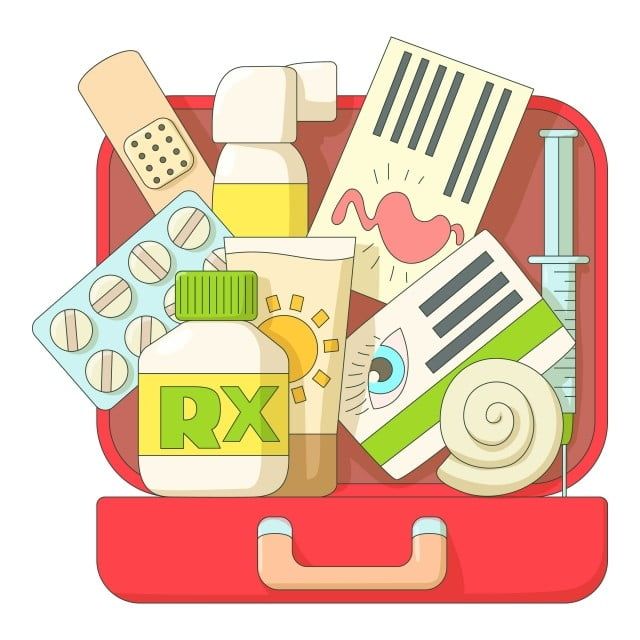
What to Pack in Your Emergency Medical Kit?
• Everyday Medications: Paracetamol for pain and fever, ibuprofen for inflammation, antacids for acidity, allergy tablets, and ORS for dehydration.
• Prescription Medicines: At least a month’s supply for any ongoing treatments, including diabetes, hypertension, or asthma.
• First Aid Basics: Band-aids, antiseptic lotion, cotton, gauze, tape, thermometer, and a basic first-aid manual for emergencies.
• Health Devices: Blood pressure monitor, glucometer, pulse oximeter, and an inhaler for those with respiratory issues.
• Cold & Flu Care: Cough syrup, throat lozenges, steam inhaler, Vicks, and a nasal spray.
• Wound Care: Antiseptic cream, burn ointment, sterile gloves, scissors, and sterile bandages.
• Eye & Ear Drops: For irritation, dryness, or infections.
• Multi-Purpose Tools: Tweezers, a flashlight, a pair of sterile scissors, and a pocket knife.
• Emergency Contacts: Doctors, nearby hospitals, emergency services, and local pharmacy numbers.
More Ways to Stay Ready
• Medicine Delivery: Use a reliable service like RxOne for fast, safe delivery, avoiding crowded pharmacies.
• Teleconsultations: Connect with doctors from home via RxOne for immediate advice.
• Home Lab Tests: Book diagnostic tests without stepping out, ensuring you have access to accurate health reports.
• Mental Well-being: Regularly communicate with family members, especially children, to keep them calm and reassured.
• Health Records: Keep copies of important health documents, vaccination records, and prescriptions in a waterproof folder.
• Emergency Pack: Include a small bag with essentials like power banks, water, energy bars, and important documents.
Quick Takeaway
Conflicts are unpredictable, but your preparedness doesn’t have to be. Don’t wait for panic to strike. Prepare with essentials, stay connected, and keep your loved ones safe.
Stay prepared with RxOne Care – from medicine delivery to teleconsultations and diagnostics, all at your fingertips.
[Medical kit, first aid, teleconsultations, medical checklist, digital healthcare]
#medicalkit #firstaid #teleconsultations #digitalhealthcare #diagnostics #diagnosticsathome #homecare #healthtech
 Health insights
Leave a comment