
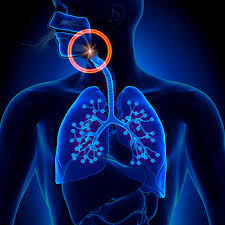
Sleep apnea is a common yet serious sleep disorder where breathing repeatedly stops and starts during sleep. This condition can lead to various health issues if left untreated, including heart disease, high blood pressure, and stroke. Understanding and addressing sleep apnea is crucial for maintaining overall health and improving quality of life. This guide will delve into the types of sleep apnea, symptoms, diagnosis, and treatment options to help you manage this condition effectively.
Understanding Sleep Apnea
There are three main types of sleep apnea:
Obstructive Sleep Apnea (OSA): The most common form, caused by a blockage of the airway, usually when the soft tissue in the back of the throat collapses during sleep.
Central Sleep Apnea (CSA): Occurs when the brain fails to send the proper signals to the muscles that control breathing.
Complex Sleep Apnea Syndrome: Also known as treatment-emergent central sleep apnea, occurs when someone has both obstructive and central sleep apnea.
Symptoms of Sleep Apnea
Common symptoms of sleep apnea include:
Loud snoring
Episodes of breathing cessation during sleep
Abrupt awakenings accompanied by gasping or choking
Morning headaches
Excessive daytime sleepiness
Difficulty concentrating
Irritability
Dry mouth or sore throat upon waking
Diagnosing Sleep Apnea
Diagnosis typically involves a sleep study, which can be done at home or in a sleep clinic. Methods include:
Polysomnography: An overnight sleep study that records brain activity, eye movements, heart rate, blood pressure, oxygen levels, and breathing patterns.
Home Sleep Apnea Testing (HSAT): A simplified test that can be performed at home to monitor breathing, heart rate, and oxygen levels.
Treatment Options for Sleep Apnea
Lifestyle Changes:
Weight Management: Losing excess weight can help reduce or eliminate sleep apnea symptoms.
Exercise: Regular physical activity can help improve respiratory function.
Sleep Position: Sleeping on your side instead of your back can prevent airway blockage.
Medical Devices:
Continuous Positive Airway Pressure (CPAP): A device that delivers a steady stream of air through a mask, keeping the airway open.
Bi-level Positive Airway Pressure (BiPAP): Similar to CPAP but provides two levels of pressure – higher when you inhale and lower when you exhale.
Oral Appliances: Devices that reposition the jaw and tongue to keep the airway open.
Surgical Options:
Uvulopalatopharyngoplasty (UPPP): Removes tissue from the back of the mouth and top of the throat.
Maxillomandibular Advancement (MMA): Repositions the jaw to enlarge the airway.
Inspire Therapy: A device implanted in the body to stimulate the airway muscles and keep them open during sleep.
Alternative Therapies:
Positional Therapy: Uses devices or techniques to encourage sleeping on the side.
Orofacial Therapy: Exercises to strengthen the muscles around the airway.
Seeking Professional Help
Addressing sleep apnea effectively often requires a combination of treatments tailored to the individual’s specific condition. Consulting with a healthcare provider or a sleep specialist is essential to develop a personalized treatment plan.
Couldn’t Decide About the Right Treatment for You?
Allopathy, Homeopathy, Ayurveda, Unani – many treatment types, but which one for you? Consult with RxOne-Care Advisor today to find which treatment suits your condition.
Sleep apnea is a serious condition that can significantly impact your health and quality of life. By recognizing the symptoms, seeking a proper diagnosis, and exploring the various treatment options, you can effectively manage sleep apnea and improve your overall well-being. Whether through lifestyle changes, medical devices, surgical options, or alternative therapies, addressing sleep apnea is crucial for a healthier, more restful life.
 Health insights
Leave a comment