
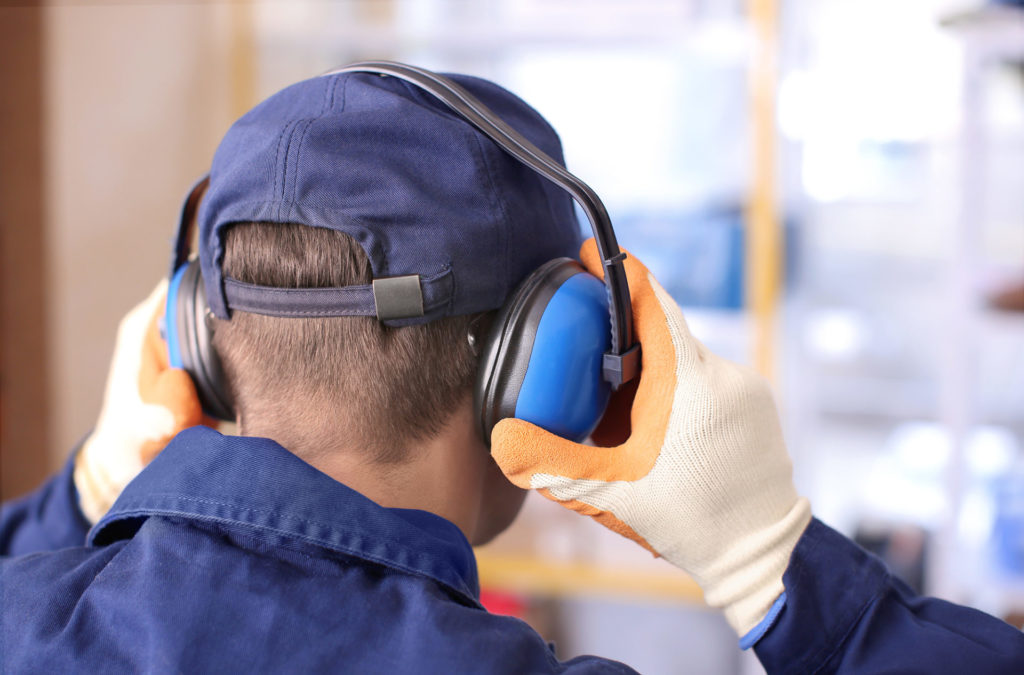
Hearing is one of our most vital senses, connecting us to the world and the people around us. However, it is often taken for granted until it starts to deteriorate. Protecting your hearing is essential to maintaining your quality of life, as hearing loss can impact communication, mental health, and overall well-being. This guide will explore practical steps to protect your hearing and highlight why it is crucial to take preventive measures.
Understanding Hearing Loss
Hearing loss can occur due to various factors, including age, exposure to loud noises, infections, and genetic predisposition. The most common types of hearing loss include:
Sensorineural Hearing Loss: Caused by damage to the inner ear or the auditory nerve. This type is often permanent.
Conductive Hearing Loss: Occurs when sound waves cannot reach the inner ear, often due to blockages or damage to the outer or middle ear.
Mixed Hearing Loss: A combination of sensorineural and conductive hearing loss.
The Importance of Protecting Your Hearing
Preventing Irreversible Damage: Unlike many other health issues, hearing loss is often irreversible. Once the delicate hair cells in the inner ear are damaged, they cannot regenerate.
Enhancing Quality of Life: Good hearing is essential for effective communication, social interactions, and enjoying everyday sounds.
Avoiding Mental Health Issues: Hearing loss is linked to social isolation, depression, and cognitive decline, including dementia.
Tips for Protecting Your Hearing
Avoid Prolonged Exposure to Loud Noises:
Limit Time in Noisy Environments: Concerts, clubs, and industrial workplaces can expose you to harmful noise levels. Try to limit the duration you spend in such environments.
Use Ear Protection: Earplugs or noise-canceling headphones can significantly reduce exposure to loud sounds.
Monitor Volume Levels:
Use the 60/60 Rule: Listen to music or other audio at no more than 60% of the maximum volume for no more than 60 minutes at a time.
Volume Limiting Devices: Invest in devices that limit the maximum volume output.
Practice Safe Listening Habits:
Take Listening Breaks: Give your ears regular breaks to recover from prolonged exposure to sound.
Opt for Over-Ear Headphones: These generally provide better sound isolation and reduce the need to raise the volume.
Regular Hearing Check-ups:
Annual Hearing Tests: Regular check-ups can detect early signs of hearing loss, allowing for timely intervention.
Consult a Professional: If you notice any signs of hearing loss, such as difficulty understanding speech or ringing in your ears, consult an audiologist promptly.
Protect Your Ears from Physical Damage:
Avoid Inserting Objects into Your Ears: Using cotton swabs or other objects can damage your ear canal and eardrum.
Use Ear Protection During Activities: Wear helmets or ear guards during activities like riding motorcycles, using power tools, or swimming.
Maintain Overall Health:
Healthy Lifestyle Choices: Regular exercise, a balanced diet, and avoiding smoking can contribute to better overall health, including your hearing.
Manage Chronic Conditions: Conditions like diabetes and hypertension can affect your hearing health, so it’s crucial to manage them effectively.
Couldn’t Decide About the Right Treatment for You?
Allopathy, Homeopathy, Ayurveda, Unani – many treatment types, but which one for you? Consult with RxOne-Care Advisor today to find which treatment suits your condition.
Protecting your hearing is an essential aspect of maintaining your overall health and well-being. By understanding the risks and implementing preventive measures, you can significantly reduce the likelihood of hearing loss. Remember, once hearing is lost, it often cannot be restored, so take proactive steps today to ensure your ears are well cared for. Whether it’s reducing exposure to loud noises, using protective gear, or getting regular hearing check-ups, every action counts in preserving your precious sense of hearing.
 Health insights
Leave a comment