
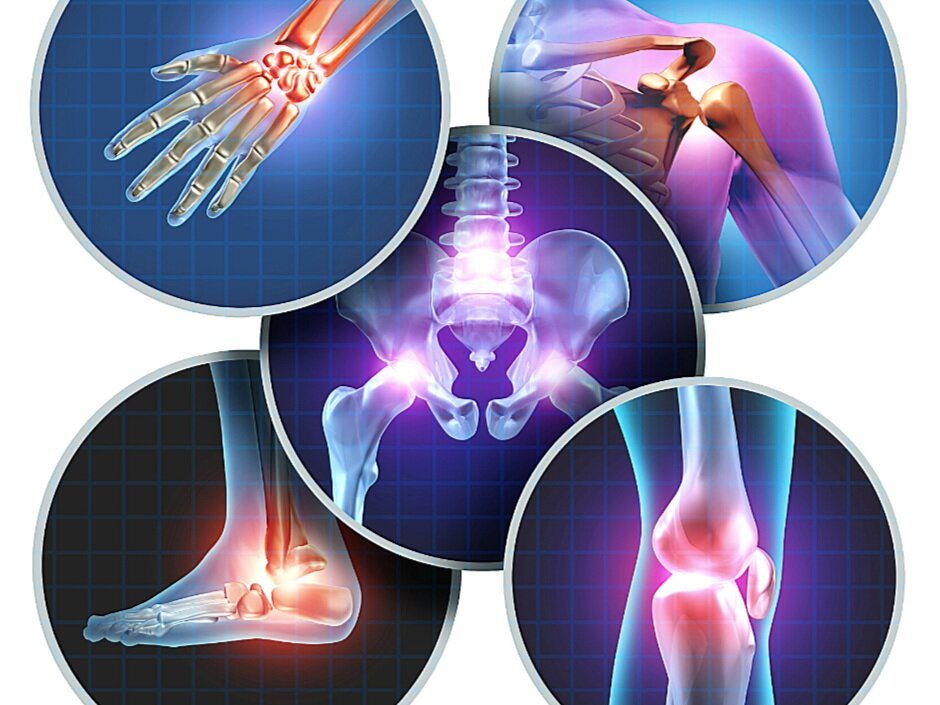
Maintaining joint health is crucial for mobility, flexibility, and overall quality of life. Joints connect bones and allow for smooth, pain-free movement, playing a vital role in every physical activity from walking and running to typing and lifting. Here are some essential tips to keep your joints healthy and functional for years to come.
- Stay Active
Regular physical activity is key to joint health. Engaging in exercises like walking, swimming, cycling, and yoga helps to strengthen the muscles around the joints, providing better support and reducing stress on the joints. Aim for at least 150 minutes of moderate-intensity aerobic exercise or 75 minutes of vigorous-intensity exercise each week, combined with muscle-strengthening activities on two or more days a week. - Maintain a Healthy Weight
Excess body weight puts additional stress on weight-bearing joints, particularly the knees, hips, and lower back. Losing even a small amount of weight can significantly reduce joint pain and prevent further damage. Focus on a balanced diet rich in fruits, vegetables, lean proteins, and whole grains to support weight management and joint health. - Eat a Joint-Friendly Diet
Certain nutrients are particularly beneficial for joint health:
Omega-3 Fatty Acids: Found in fish like salmon and mackerel, as well as in flaxseeds and walnuts, omega-3 fatty acids help reduce inflammation and joint pain.
Vitamin D and Calcium: These are essential for bone health, which indirectly supports joint health. Dairy products, leafy greens, and fortified foods are good sources.
Antioxidants: Vitamins C and E found in fruits and vegetables can help protect joints from damage caused by free radicals.
- Stay Hydrated
Water is crucial for maintaining the lubrication of the joints. Synovial fluid, which helps reduce friction between joint surfaces, relies on proper hydration. Aim to drink at least 8 glasses of water a day, and more if you are physically active. - Practice Good Posture
Poor posture can lead to joint strain and injury over time. Be mindful of your posture whether you’re sitting, standing, or moving. Use ergonomic furniture and tools, especially if you spend a lot of time at a desk. Exercises that strengthen your core can also support better posture. - Avoid Overuse
Repetitive movements and overuse of certain joints can lead to injuries such as tendinitis or bursitis. If your job or hobby involves repetitive actions, take regular breaks and incorporate exercises that can help offset the repetitive strain. - Protect Your Joints
Using protective gear during sports and other physical activities can help prevent joint injuries. Ensure that your sports equipment and footwear are appropriate and well-fitted to avoid undue stress on your joints. - Listen to Your Body
Pain is a signal that something might be wrong. If you experience joint pain, don’t ignore it. Rest the affected joint and consider consulting a healthcare professional if the pain persists. Early intervention can prevent more serious issues down the line. - Manage Stress
Stress can cause muscle tension and pain, which may indirectly affect your joints. Practice stress-reducing techniques such as mindfulness, deep breathing exercises, and meditation to keep both your mind and body in good condition. - Regular Check-Ups
Regular check-ups with a healthcare provider can help detect early signs of joint problems. If you have a family history of joint issues or suffer from conditions like arthritis, more frequent visits may be necessary.
Choosing the Right Treatment for Joint Health
Couldn’t decide about the right treatment for you? Allopathy, Homeopathy, Ayurveda, Unani – many treatment types, but which one for you? Consult with RxOne-Care Advisor today to find which treatment suits your condition. Our expert advisors will help you navigate through different treatment options and select the most appropriate one for your specific needs.
Taking proactive steps to maintain joint health can lead to a more active and pain-free life. Incorporate these tips into your daily routine to protect your joints and enjoy better mobility and quality of life. Remember, it’s never too early or too late to start taking care of your joints! And if you’re unsure about the best treatment approach, consult with RxOne Care Advisor to find the right path for you.
 Health insights
Leave a comment