
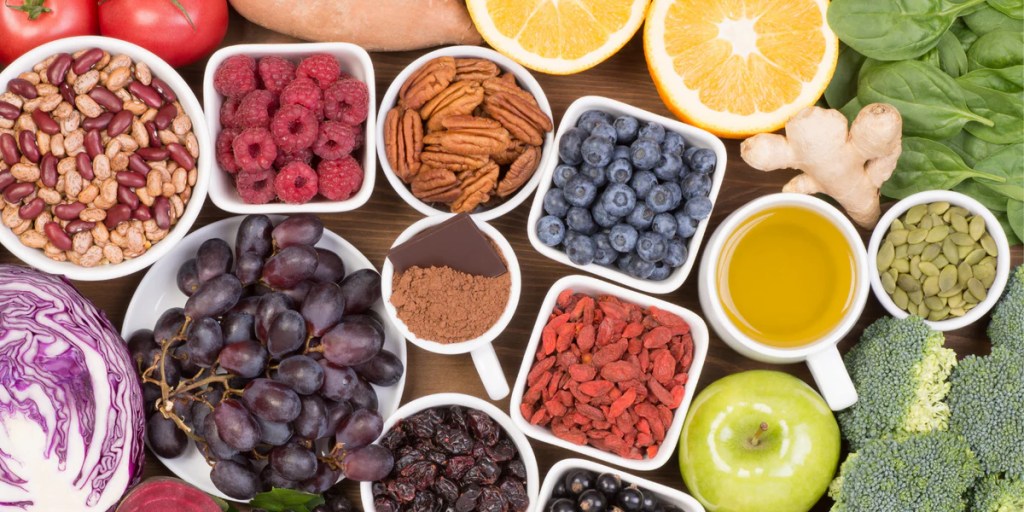
Antioxidants are nature’s powerful agents, crucial for maintaining health and preventing disease. They protect our cells from damage caused by free radicals—unstable molecules that can harm cellular structures. Free radicals are produced naturally in the body as a byproduct of metabolism but can be exacerbated by external factors like pollution, radiation, and smoking. Understanding the power of antioxidants and incorporating them into our lifestyle can significantly enhance our overall well-being.
The Science Behind Antioxidants
At a molecular level, antioxidants neutralize free radicals by donating an electron, effectively reducing their reactivity. This process helps to prevent cellular damage that can lead to chronic diseases such as cancer, heart disease, and neurodegenerative disorders. Antioxidants achieve this by being oxidized themselves, thereby sparing other molecules from oxidative damage.
Sources of Antioxidants
Antioxidants are abundant in a variety of foods, particularly fruits, vegetables, nuts, and seeds. Some of the most potent antioxidants include:
Vitamin C: Found in citrus fruits, strawberries, bell peppers, and broccoli, vitamin C is a water-soluble antioxidant that helps protect the body from oxidative stress and supports the immune system.
Vitamin E: This fat-soluble antioxidant, present in nuts, seeds, and green leafy vegetables, protects cell membranes from oxidative damage.
Beta-Carotene: A precursor to vitamin A, beta-carotene is found in carrots, sweet potatoes, and spinach, and is crucial for maintaining healthy vision, skin, and immune function.
Flavonoids: These are found in a variety of foods such as berries, tea, dark chocolate, and red wine. Flavonoids have been shown to have anti-inflammatory and heart-protective properties.
Selenium: A mineral found in Brazil nuts, seafood, and whole grains, selenium plays a critical role in the antioxidant defense system by helping to regenerate other antioxidants.
Health Benefits of Antioxidants
Prevention of Chronic Diseases: By neutralizing free radicals, antioxidants reduce the risk of developing chronic diseases. Studies have shown that diets rich in antioxidants are linked to lower incidences of heart disease, cancer, and other age-related conditions.
Boosting Immune Function: Antioxidants such as vitamin C and E enhance the immune system’s ability to fight infections and reduce inflammation.
Anti-Aging Effects: Antioxidants help to slow down the aging process by protecting cells from damage, promoting healthier skin, and reducing the appearance of wrinkles.
Improving Brain Health: Certain antioxidants, like flavonoids, have neuroprotective effects that can improve cognitive function and reduce the risk of neurodegenerative diseases such as Alzheimer’s and Parkinson’s.
Supporting Eye Health: Antioxidants like beta-carotene, vitamin C, and vitamin E are essential for maintaining eye health and preventing conditions such as cataracts and age-related macular degeneration.
Maximizing Antioxidant Intake
To maximize your intake of antioxidants, focus on a diet rich in colorful fruits and vegetables. Here are some practical tips:
Eat a Rainbow: Incorporate a variety of colorful fruits and vegetables into your diet to ensure you get a wide range of antioxidants.
Snack on Nuts and Seeds: These are excellent sources of vitamin E and selenium.
Choose Whole Grains: Opt for whole grains like brown rice, quinoa, and oats over refined grains to increase your antioxidant intake.
Enjoy Beverages: Drink green tea, herbal teas, and moderate amounts of red wine, all of which are rich in flavonoids.
Use Spices and Herbs: Spices such as turmeric, cinnamon, and oregano are potent sources of antioxidants.
The power of antioxidants lies in their ability to protect the body from oxidative stress and reduce the risk of chronic diseases. By incorporating a variety of antioxidant-rich foods into your diet, you can harness these natural protectors to support overall health and well-being. Embrace the vibrant colors of fruits and vegetables, savor the richness of nuts and seeds, and enjoy the health benefits that antioxidants offer.
Unsure About the Right Treatment for You?
Couldn’t decide about the right treatment for you? Allopathy, Homeopathy, Ayurveda, Unani – many treatment types, but which one is right for you? Consult with an RxOne-Care Advisor today to find which treatment suits your condition.
 Health insights
Leave a comment