
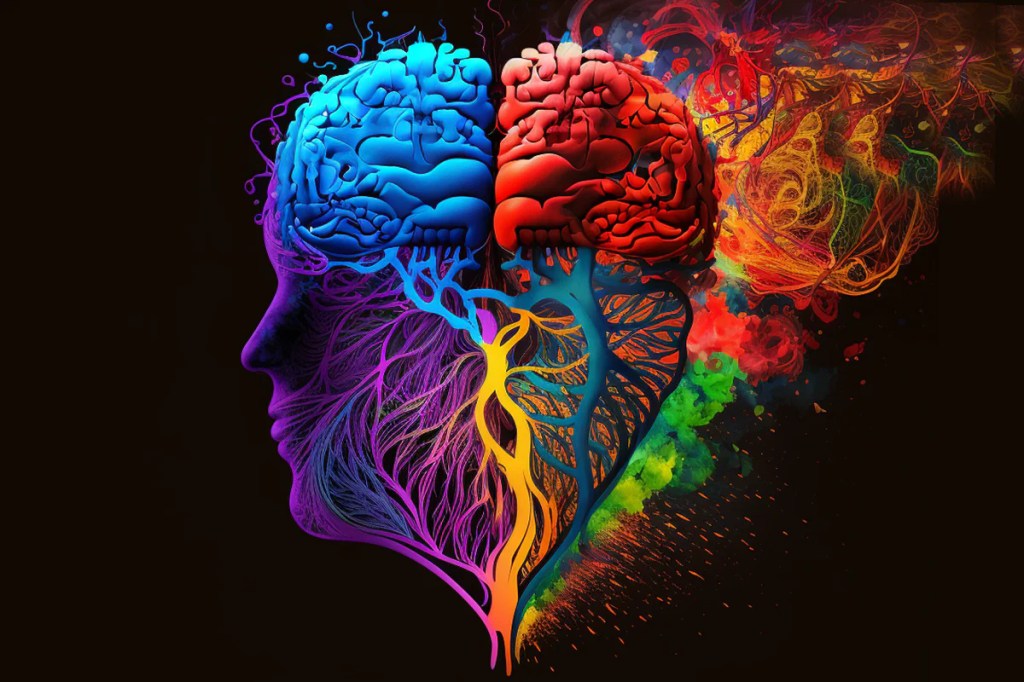
The harmony of mind and body is a state of balanced well-being where physical health and mental peace coexist and support each other. This concept, rooted in ancient philosophies and holistic health practices, emphasizes the interconnectedness of our mental and physical states. Achieving harmony between mind and body is crucial for overall wellness and can enhance quality of life.
Understanding the Connection
The mind-body connection is the idea that our thoughts, emotions, and attitudes can directly affect our physical health, and vice versa. Here are key aspects of this connection:
Psychosomatic Responses: Stress, anxiety, and depression can manifest physically through symptoms like headaches, muscle tension, and digestive issues. Conversely, physical ailments can lead to psychological distress.
Endorphins and Neurotransmitters: Physical activities like exercise release endorphins, which are natural mood elevators. Similarly, mental practices such as meditation can influence neurotransmitter levels, promoting a sense of well-being and reducing pain perception.
Holistic Health Practices: Many traditional and alternative medicine practices, such as yoga, acupuncture, and tai chi, are based on the principle of balancing mind and body. These practices often focus on energy flow and the integration of physical and mental exercises.
Benefits of Mind-Body Harmony
Achieving harmony between the mind and body has numerous benefits:
Improved Mental Health: A balanced state can reduce the risk of mental health issues such as anxiety and depression. Mindfulness and relaxation techniques can help manage stress and improve emotional resilience.
Enhanced Physical Health: Regular physical activity and healthy eating habits, when combined with mental relaxation practices, can lead to better cardiovascular health, a stronger immune system, and increased longevity.
Increased Energy and Vitality: When the mind and body are in harmony, energy levels are typically higher. This balance can lead to better sleep, improved concentration, and greater overall vitality.
Better Stress Management: Techniques such as meditation, deep breathing, and progressive muscle relaxation can help manage stress more effectively, reducing its harmful impact on the body.
Enhanced Quality of Life: A harmonious balance contributes to a more fulfilling and enjoyable life. People who achieve this balance often report higher levels of satisfaction and happiness.
Strategies to Achieve Harmony
Achieving harmony between mind and body requires intentional practices and lifestyle choices:
Mindfulness and Meditation: Incorporating mindfulness and meditation into daily routines can enhance mental clarity, reduce stress, and promote emotional stability. These practices encourage living in the present moment and help in managing negative thoughts.
Physical Activity: Regular exercise, such as yoga, pilates, or even daily walking, can significantly improve physical health and mental well-being. Exercise helps release tension, improve mood, and boost overall energy levels.
Healthy Nutrition: A balanced diet rich in nutrients supports both physical health and cognitive function. Eating mindfully and choosing foods that nourish the body can prevent chronic diseases and improve mental health.
Adequate Rest and Sleep: Quality sleep is crucial for both physical recovery and mental processing. Establishing a regular sleep routine and creating a restful environment can promote better sleep and overall harmony.
Positive Relationships: Building and maintaining healthy relationships can provide emotional support, reduce stress, and enhance feelings of connectedness. Social interactions are important for mental health and can positively impact physical health.
Self-Care Practices: Engaging in activities that bring joy and relaxation, such as hobbies, nature walks, or spa treatments, can help balance the demands of daily life and contribute to overall well-being.
The harmony of mind and body is a holistic approach to health that acknowledges the intricate connection between our mental and physical states. By adopting mindful practices, engaging in regular physical activity, maintaining a healthy diet, ensuring adequate rest, fostering positive relationships, and prioritizing self-care, we can achieve a balanced state of well-being. This harmony not only enhances our quality of life but also empowers us to navigate life’s challenges with greater resilience and joy.
 Health insights
Leave a comment