
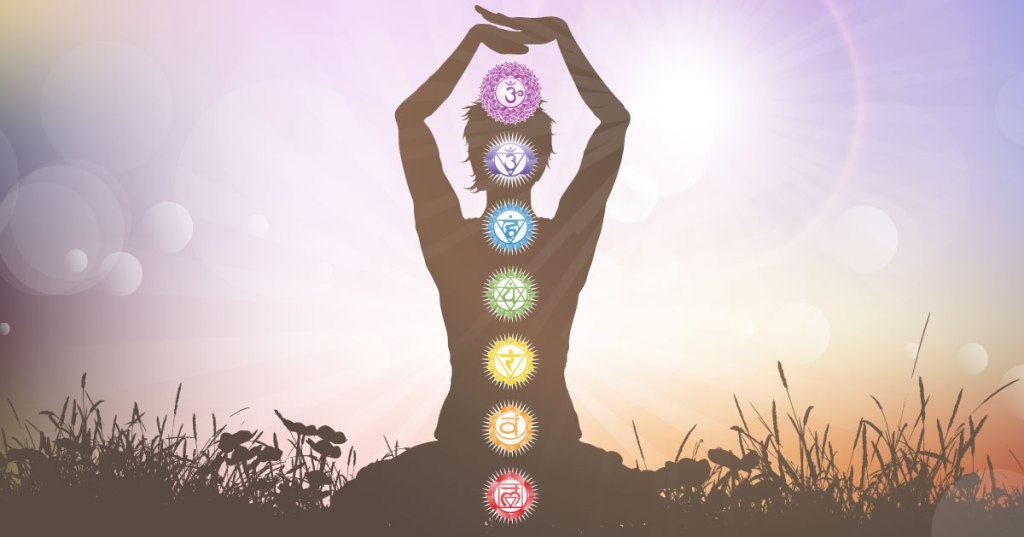
In our fast-paced, technology-driven world, the quest for holistic well-being has become more important than ever. Achieving true health involves more than just physical fitness; it requires a balanced nurturing of the mind, body, and spirit. These three pillars of wellness are interconnected, and neglecting one can affect the others. By understanding and addressing each aspect, we can cultivate a more harmonious and fulfilling life.
Nurturing the Mind
The mind is the control center of our being, influencing our thoughts, emotions, and actions. To nurture the mind, we must prioritize mental health and intellectual growth.
Mental Health
Mental health is a cornerstone of overall well-being. Practices such as mindfulness meditation, therapy, and stress management techniques are essential for maintaining mental balance. Regular breaks from work, digital detoxes, and spending time in nature can also help reduce mental fatigue and improve clarity.
Intellectual Growth
Continuous learning keeps the mind sharp and engaged. Reading, solving puzzles, and engaging in stimulating conversations can enhance cognitive function. Lifelong learning through formal education or self-directed study promotes intellectual development and can lead to personal and professional growth.
Nurturing the Body
The body is our physical vessel, and maintaining its health is crucial for overall well-being. This involves regular exercise, a balanced diet, and adequate rest.
Exercise
Physical activity is vital for maintaining fitness, strength, and flexibility. Regular exercise, whether it’s cardio, strength training, yoga, or simple daily walks, helps to boost energy levels, improve mood, and prevent chronic diseases.
Nutrition
A balanced diet rich in fruits, vegetables, lean proteins, and whole grains provides the necessary nutrients for the body to function optimally. Staying hydrated and moderating intake of processed foods, sugar, and unhealthy fats are key components of good nutrition.
Rest and Recovery
Adequate sleep and rest are essential for the body to repair and rejuvenate. Prioritizing sleep hygiene by maintaining a regular sleep schedule, creating a restful environment, and avoiding stimulants before bedtime can significantly enhance the quality of sleep.
Nurturing the Spirit
The spirit encompasses our sense of purpose, connection, and inner peace. Spiritual well-being can be nurtured through practices that foster a sense of belonging, meaning, and tranquility.
Connection and Community
Building and maintaining meaningful relationships provides emotional support and a sense of belonging. Engaging in community activities, volunteering, or simply spending time with loved ones can strengthen these connections and enhance our spiritual health.
Purpose and Meaning
Finding and pursuing a sense of purpose can provide direction and fulfillment in life. This can be achieved through career goals, hobbies, creative pursuits, or contributing to causes we care about. Reflecting on personal values and setting meaningful goals can help align our actions with our sense of purpose.
Inner Peace
Practices such as meditation, prayer, or simply spending quiet time in reflection can help cultivate inner peace. Engaging with art, music, or nature can also provide spiritual nourishment and a sense of tranquility.
Integrating Mind, Body, and Spirit
While each aspect of well-being is important on its own, integrating practices that nurture the mind, body, and spirit can lead to a more balanced and harmonious life. For example, yoga combines physical movement with mindfulness and breath control, addressing all three aspects simultaneously. Similarly, mindful eating practices can enhance both physical nutrition and mental presence.
By dedicating time and energy to nurturing the mind, body, and spirit, we can create a foundation for lasting well-being. This holistic approach not only improves our health but also enriches our lives with greater clarity, purpose, and joy.
 Health insights
Leave a comment