
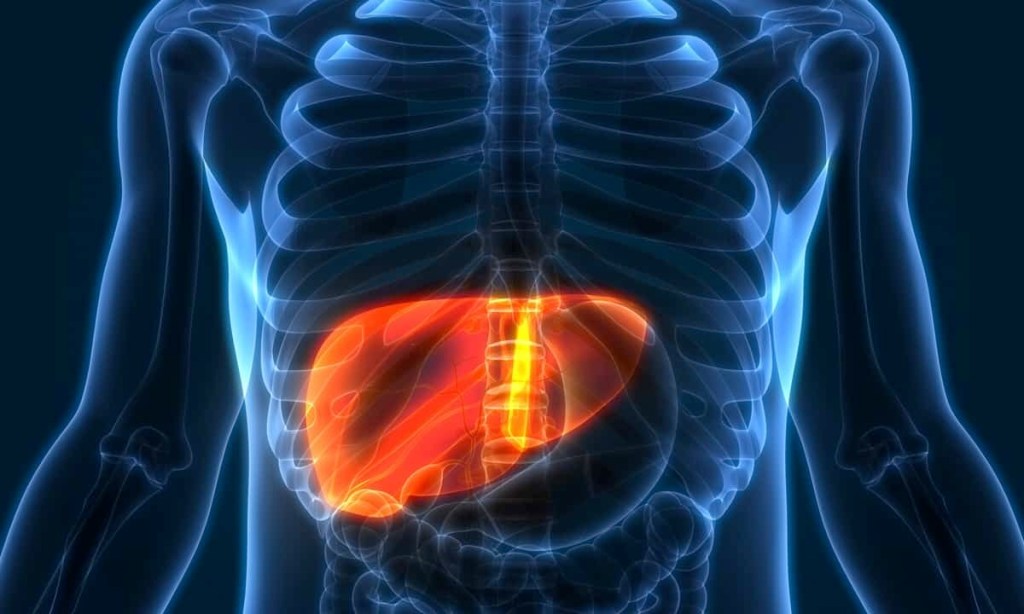
Have you ever heard of fatty liver disease? It might sound like a condition exclusive to heavy drinkers, but it’s more common than you might think and can affect anyone. Let’s dive into what fatty liver disease is, its types, how it’s diagnosed, and what you can do to manage and prevent it.
Fatty Liver Disease?
Fatty liver disease, or hepatic steatosis, happens when too much fat builds up in your liver. While having some fat in your liver is normal, when it makes up more than 5-10% of your liver’s weight, it can become a problem. There are two main types of fatty liver disease: Non-Alcoholic Fatty Liver Disease (NAFLD) and Alcoholic Fatty Liver Disease (AFLD).
Types of Fatty Liver Disease
Non-Alcoholic Fatty Liver Disease (NAFLD)
Overview: This type happens in people who drink little to no alcohol. It’s often linked to obesity, diabetes, and metabolic syndrome.
Prevalence: NAFLD is the most common liver disorder in developed countries, affecting up to 25-30% of people.
Risk Factors: Being overweight, having high blood sugar, high levels of fats in your blood, metabolic syndrome, and certain genetic factors.
Symptoms: Many people don’t have symptoms, but some might feel tired, have pain in the upper right side of their abdomen, or have elevated liver enzymes.
Progression: NAFLD can progress to a more severe condition called Non-Alcoholic Steatohepatitis (NASH), which involves liver inflammation and damage. NASH can lead to fibrosis (scarring), cirrhosis, and liver cancer.
Alcoholic Fatty Liver Disease (AFLD)
Overview: AFLD is caused by heavy alcohol use, which changes how your liver metabolizes fat.
Risk Factors: How much and how long you drink alcohol, genetics, obesity, and other health conditions.
Symptoms: Similar to NAFLD, symptoms include fatigue, abdominal discomfort, and elevated liver enzymes.
Progression: Long-term alcohol abuse can cause alcoholic hepatitis (liver inflammation), fibrosis, cirrhosis, and increase the risk of liver cancer.
How is Fatty Liver Disease Diagnosed?
Diagnosing fatty liver disease involves a few steps:
Medical History and Physical Exam: Your doctor will ask about your alcohol intake, diet, and risk factors, and perform a physical exam.
Blood Tests: Liver function tests to check for elevated liver enzymes.
Imaging Studies: Ultrasound, CT scan, or MRI can show fat in the liver.
Liver Biopsy: Sometimes, a biopsy is needed to see the extent of liver damage and distinguish between simple steatosis and NASH.
Managing and Treating Fatty Liver Disease
Lifestyle Changes
Diet: Eat a healthy, balanced diet that’s low in saturated fats, sugars, and refined carbs. Focus on fruits, vegetables, whole grains, and lean proteins.
Weight Loss: Gradual weight loss through diet and exercise can reduce liver fat significantly.
Exercise: Aim for at least 150 minutes of moderate-intensity exercise each week.
Medical Management
Medications: No specific drugs are approved for NAFLD, but managing conditions like diabetes, high cholesterol, and high blood pressure is important.
Alcohol Cessation: If you have AFLD, stopping alcohol use is crucial to prevent further liver damage and improve your liver health.
Regular Check-ups
Stay in touch with your healthcare provider to monitor your liver function and manage any related health issues.
Preventing Fatty Liver Disease
Preventing fatty liver disease is all about maintaining a healthy lifestyle:
Keep a healthy weight.
Eat a balanced, nutritious diet.
Exercise regularly.
Avoid excessive alcohol consumption.
Manage chronic conditions like diabetes and high blood pressure.
Fatty liver disease is a serious health issue that can lead to severe liver problems if ignored. By understanding the risk factors, recognizing the symptoms, and making healthy lifestyle choices, you can take control of your liver health. Regular medical check-ups and a commitment to a healthier lifestyle are your best defenses against this condition. Remember, your liver is essential for your overall well-being, so take good care of it!
 Health insights
Leave a comment