
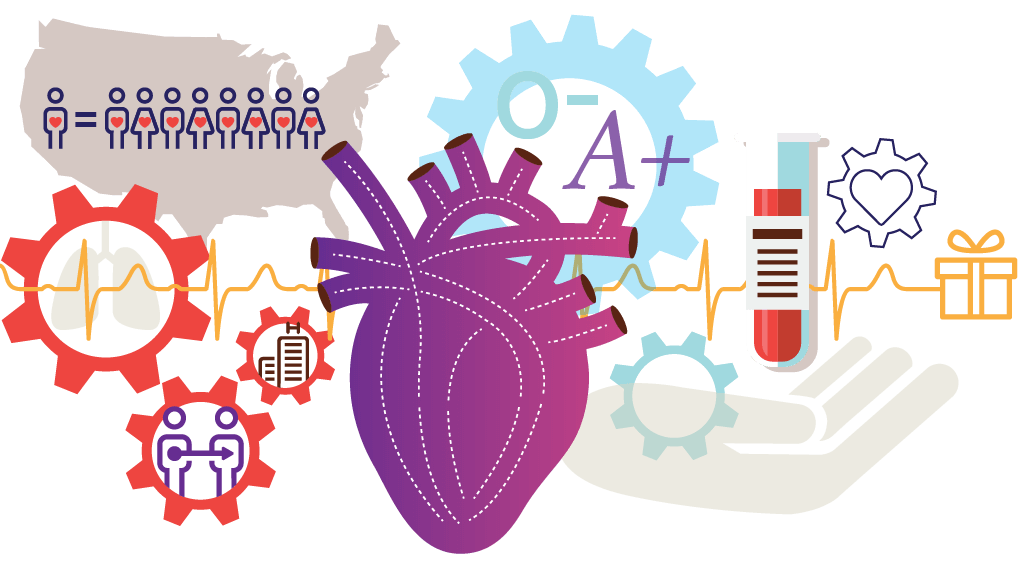
Organ transplantation stands as a beacon of hope for individuals suffering from organ failure, offering a chance at renewed life. From kidneys to hearts, lungs to livers, these procedures have revolutionized modern medicine, extending and improving the quality of life for countless patients worldwide. However, behind the medical marvels lie complex ethical dilemmas, societal challenges, and ongoing debates that shape the landscape of organ transplantation.
Medical Breakthroughs:
The history of organ transplantation is a testament to human ingenuity and perseverance. The first successful kidney transplant took place in 1954, followed by the first heart transplant in 1967. Since then, advancements in surgical techniques, immunosuppressive therapies, and organ preservation methods have transformed transplantation into a routine procedure, with survival rates steadily improving.
Living vs. Deceased Donors:
Organ procurement primarily relies on two sources: living and deceased donors. Living donation, often from relatives or close acquaintances, offers the advantage of timely organ availability and better outcomes in certain cases. However, it raises ethical concerns regarding coercion, exploitation, and the long-term health impact on donors. Deceased donation, on the other hand, presents logistical challenges related to organ preservation and allocation but avoids some of the ethical complexities associated with living donation.
Organ Shortage and Allocation:
Despite medical advancements, the demand for organs far surpasses the available supply, leading to extensive waiting lists and preventable deaths. The scarcity of organs prompts difficult decisions regarding allocation criteria, balancing factors such as medical urgency, recipient suitability, and equity. Various allocation systems, including organ matching algorithms and prioritization based on severity of illness, attempt to navigate these ethical dilemmas while maximizing utility and fairness.
Ethical Considerations:
Organ transplantation raises profound ethical questions that extend beyond medical practice. Issues such as informed consent, autonomy, distributive justice, and the commodification of human body parts underscore the moral complexities inherent in transplant procedures. Additionally, cultural and religious beliefs shape attitudes towards organ donation, influencing individual decisions and public policies.
Regulatory Framework and Future Directions:
Governments, healthcare institutions, and international organizations play crucial roles in regulating organ transplantation practices, ensuring adherence to ethical standards and safeguarding the rights of donors and recipients. Continued research into alternative sources of organs, such as xenotransplantation and bioengineered tissues, holds promise for addressing the persistent shortage of donor organs and reducing reliance on human donors.
Organ transplantation represents a triumph of medical science and human compassion, offering a lifeline to those in dire need. However, its success is tempered by ethical considerations that challenge our societal values and moral principles. As technology advances and societal attitudes evolve, the field of organ transplantation will continue to navigate the delicate balance between medical necessity and ethical responsibility, striving to save lives while upholding the dignity and autonomy of every individual involved.
 Health insights
Leave a comment